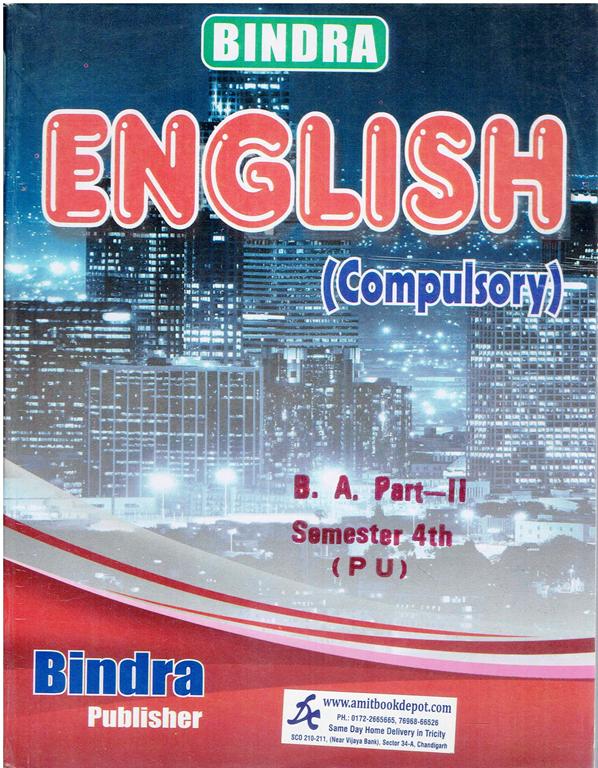
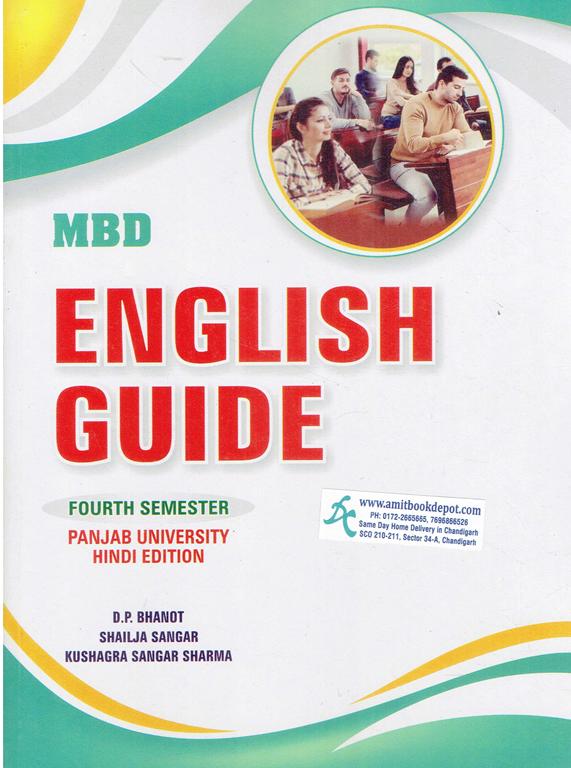
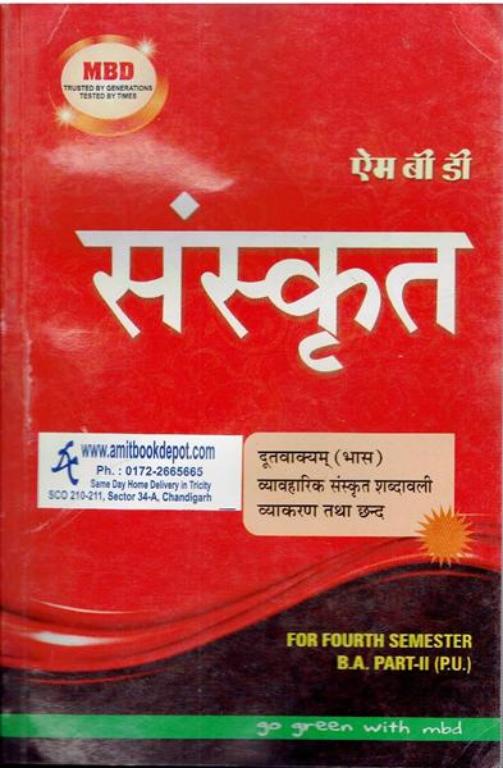
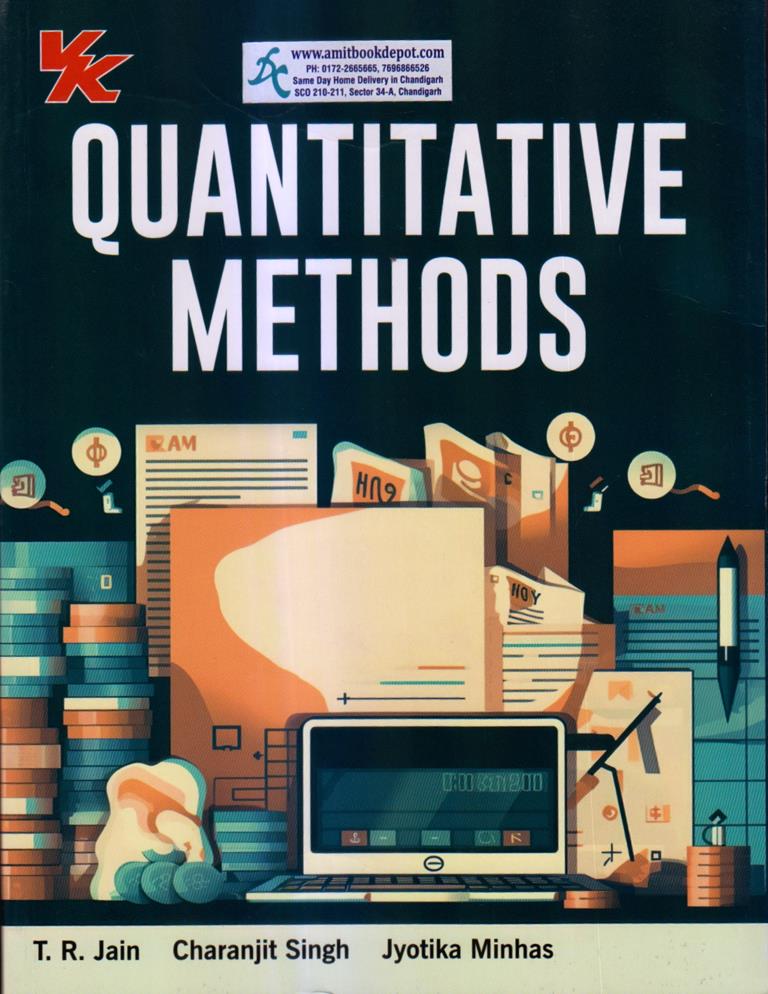
-
Mon-Fri: 10AM to 8PM 01722665665
-
My Account
-
-
0
Total :
₹ 0.00

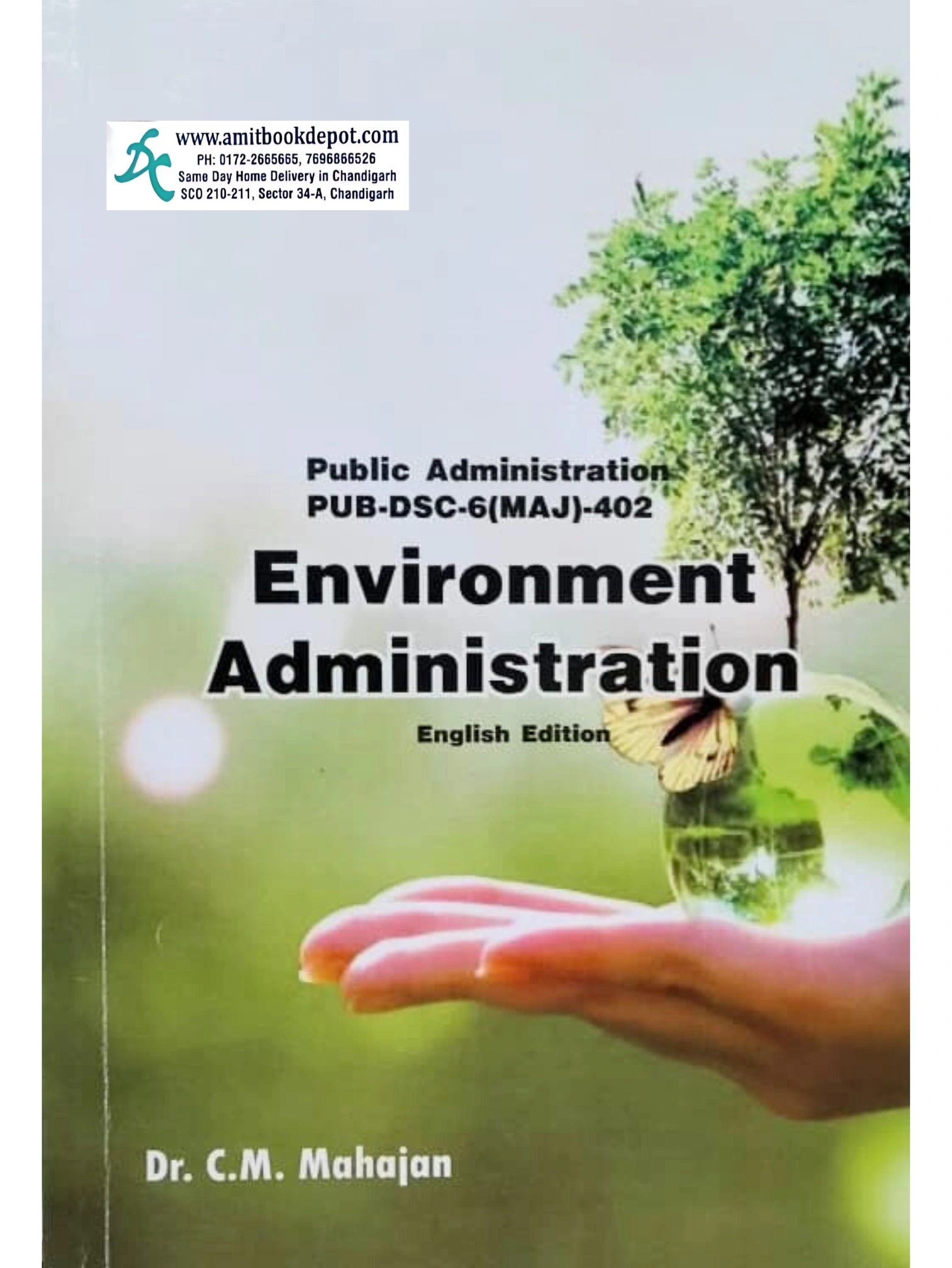

Yes, this book is strictly crafted as per the latest Panjab University, Chandigarh syllabus for B.A. 4th Semester (HSS-PUB-DSC6(MAJ)-402) under the New Education Policy (NEP).
Absolutely. Chapter 7 is dedicated to the National Green Tribunal (NGT), detailing its structure, functions, and role in India's environmental justice system.
Yes, Chapter 11 covers Important International Conferences on Environment, including the Rio Earth Summit (1992) and the Kyoto Protocol (1997).
Yes, Chapter 13 is entirely focused on the Clean Development Mechanism (CDM), explaining its concept and related issues.
Yes, Chapter 10 covers both the National Solar Mission and the National Mission for Enhanced Energy Efficiency (NMEEE) as per the syllabus.
Yes, Chapters 5 and 6 are exclusively dedicated to the Central Pollution Control Board (CPCB) and State Pollution Control Boards (SPCBs), respectively.
Chapter 1 covers key concepts like Climate Change, Biodiversity Conservation, Pollution, Ozone Depletion, Waste Management, Global Warming, and Renewable Energy.
Yes, Chapter 12 is dedicated to The United Nations Framework Convention on Climate Change (UNFCCC).
Yes, Chapter 3 details the Meaning and Need for Environmental Impact Assessment (EIA).
While specifically designed for Panjab University B.A. 4th Semester students, it serves as an excellent introductory resource on Indian Environment Administration for any competitive exam aspirant or general reader.
No Description Added
Yes, this book is strictly crafted as per the latest Panjab University, Chandigarh syllabus for B.A. 4th Semester (HSS-PUB-DSC6(MAJ)-402) under the New Education Policy (NEP).
Absolutely. Chapter 7 is dedicated to the National Green Tribunal (NGT), detailing its structure, functions, and role in India's environmental justice system.
Yes, Chapter 11 covers Important International Conferences on Environment, including the Rio Earth Summit (1992) and the Kyoto Protocol (1997).
Yes, Chapter 13 is entirely focused on the Clean Development Mechanism (CDM), explaining its concept and related issues.
Yes, Chapter 10 covers both the National Solar Mission and the National Mission for Enhanced Energy Efficiency (NMEEE) as per the syllabus.
Yes, Chapters 5 and 6 are exclusively dedicated to the Central Pollution Control Board (CPCB) and State Pollution Control Boards (SPCBs), respectively.
Chapter 1 covers key concepts like Climate Change, Biodiversity Conservation, Pollution, Ozone Depletion, Waste Management, Global Warming, and Renewable Energy.
Yes, Chapter 12 is dedicated to The United Nations Framework Convention on Climate Change (UNFCCC).
Yes, Chapter 3 details the Meaning and Need for Environmental Impact Assessment (EIA).
While specifically designed for Panjab University B.A. 4th Semester students, it serves as an excellent introductory resource on Indian Environment Administration for any competitive exam aspirant or general reader.