-
Mon-Fri: 10AM to 8PM 01722665665
-
My Account
-
-
0
Total :
₹ 0.00

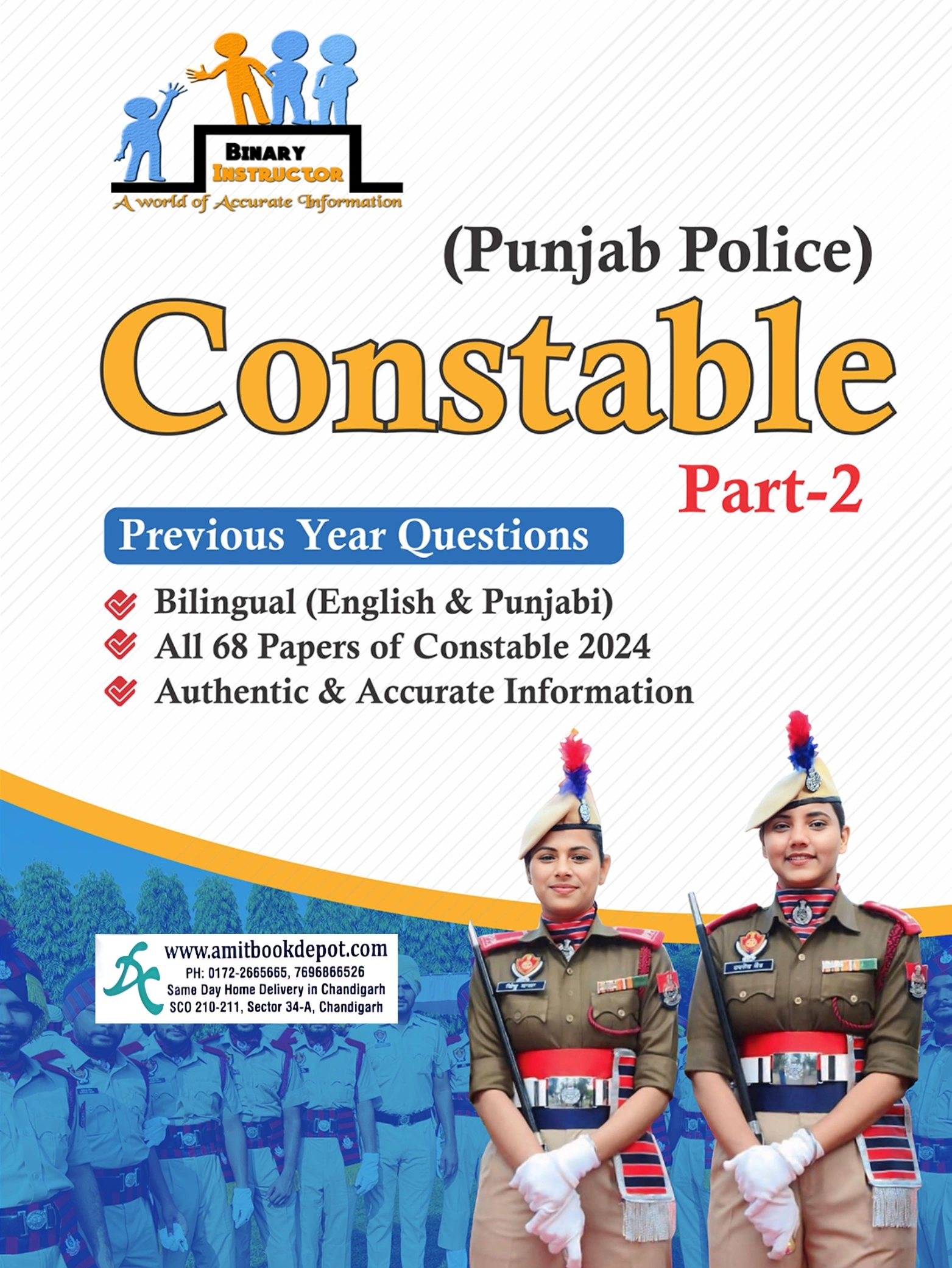


Yes, it is specifically designed for ongoing and upcoming cycles. The section-wise analysis of previous year questions helps you understand the enduring patterns and core syllabus that remain relevant for the latest exam.
The Punjabi section-wise analysis is structured to strengthen fundamentals. It clarifies common grammar rules, vocabulary sets, and comprehension formats asked in the exam, making it accessible for systematic learning.
It is an essential core resource for understanding the exam pattern and practicing the most relevant questions. We recommend using it alongside a standard theory book for each subject for complete concept clarity.
The Computer section analysis is based on previous year questions from the Punjab Police exam, which typically focuses on fundamental concepts of hardware, software, MS Office, and internet basics, all of which are covered.
The analysis identifies topic-wise weightage, frequency of questions, and difficulty trends. This allows you to prioritize your study, focus on high-scoring areas, and develop a targeted strategy.
The General Studies analysis covers the static portion (History, Polity, etc.) that forms the backbone of the section. For dynamic current affairs, you should supplement with monthly magazines or news sources, as the book focuses on analyzing past static question trends.
Yes, the analysis simplifies recurring problem types and focuses on the specific arithmetic and math concepts that are frequently tested, helping you build proficiency in the most relevant areas.
This book is primarily focused on the written objective test of the Punjab Police Constable recruitment, which is the first and most significant stage.
Its unique selling proposition is the dedicated section-wise analysis rather than just being a theory compendium or a simple question bank. It teaches you how to think for the exam.
Its primary strength is the analytical breakdown of past papers. By studying this analysis, you effectively prepare for all practice tests and mocks with a deeper understanding.
No Description Added
Yes, it is specifically designed for ongoing and upcoming cycles. The section-wise analysis of previous year questions helps you understand the enduring patterns and core syllabus that remain relevant for the latest exam.
The Punjabi section-wise analysis is structured to strengthen fundamentals. It clarifies common grammar rules, vocabulary sets, and comprehension formats asked in the exam, making it accessible for systematic learning.
It is an essential core resource for understanding the exam pattern and practicing the most relevant questions. We recommend using it alongside a standard theory book for each subject for complete concept clarity.
The Computer section analysis is based on previous year questions from the Punjab Police exam, which typically focuses on fundamental concepts of hardware, software, MS Office, and internet basics, all of which are covered.
The analysis identifies topic-wise weightage, frequency of questions, and difficulty trends. This allows you to prioritize your study, focus on high-scoring areas, and develop a targeted strategy.
The General Studies analysis covers the static portion (History, Polity, etc.) that forms the backbone of the section. For dynamic current affairs, you should supplement with monthly magazines or news sources, as the book focuses on analyzing past static question trends.
Yes, the analysis simplifies recurring problem types and focuses on the specific arithmetic and math concepts that are frequently tested, helping you build proficiency in the most relevant areas.
This book is primarily focused on the written objective test of the Punjab Police Constable recruitment, which is the first and most significant stage.
Its unique selling proposition is the dedicated section-wise analysis rather than just being a theory compendium or a simple question bank. It teaches you how to think for the exam.
Its primary strength is the analytical breakdown of past papers. By studying this analysis, you effectively prepare for all practice tests and mocks with a deeper understanding.