-
Mon-Fri: 10AM to 8PM 01722665665
-
My Account
-
-
0
Total :
₹ 0.00

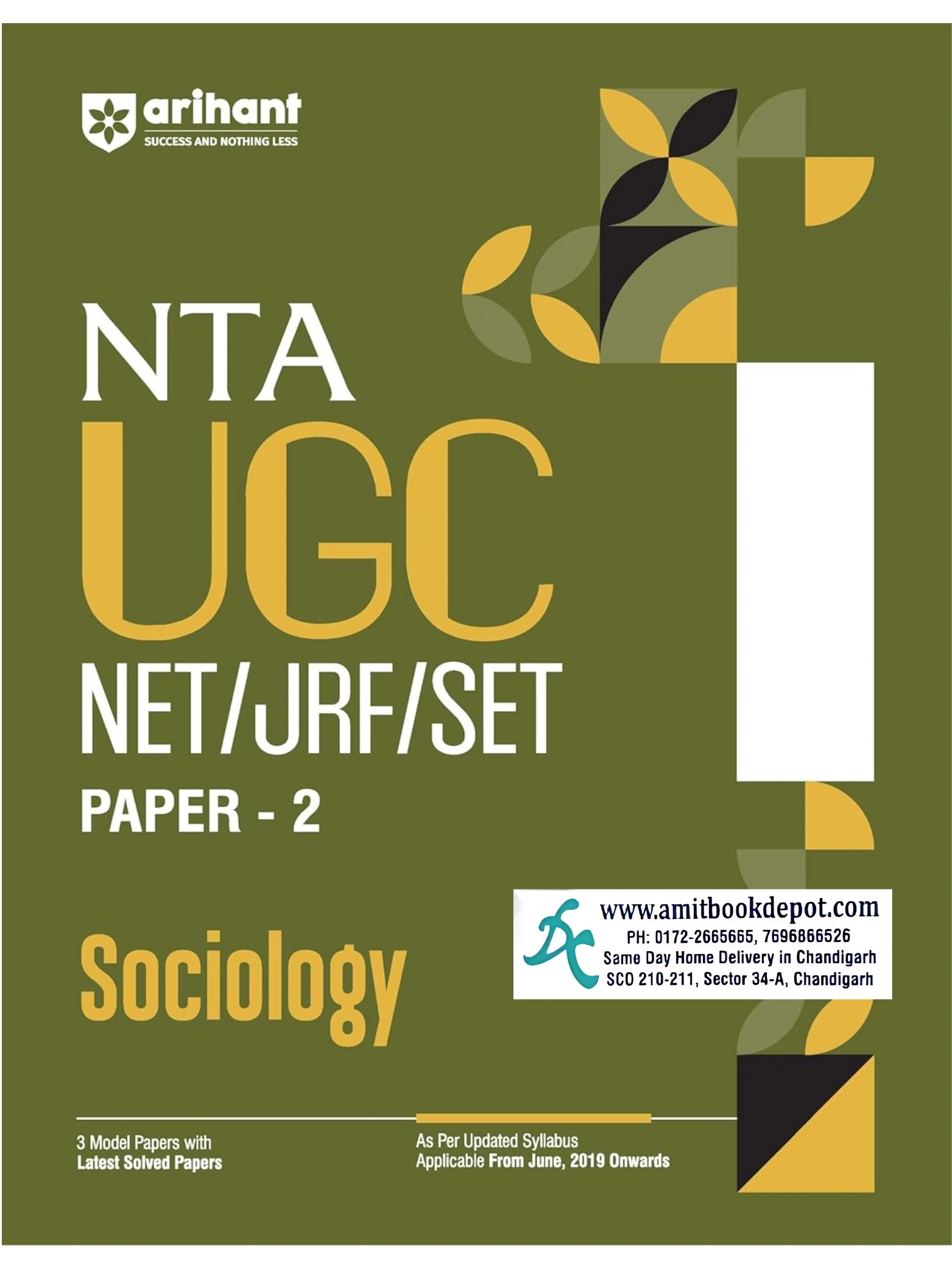

Yes, the book is meticulously structured to cover all ten units of the latest UGC NET Sociology syllabus in exhaustive detail, including contemporary topics like Digital Economy, Environmental Sociology, and Postcolonialism.
Absolutely. Unit I has a dedicated chapter on Sociological Theory of Indian Thinkers, elaborating on the works of M.K. Gandhi, B.R. Ambedkar, G.S. Ghurye, M.N. Srinivas, Irawati Karve, and Radha Kamal Mukherjee.
Yes, Unit II is extensively covered, from conceptualizing social reality and research design to specific qualitative/quantitative techniques and statistical analysis, catering to both theory and practical questions.
The book has dedicated units and chapters on these topics. Unit VII covers Environment, Climate Change, and Disability, while Unit VI includes chapters on the Digital Economy, E-Commerce, and their social implications.
Yes. Unit VIII covers changing family norms, family laws, and issues like domestic violence. Unit IX on Science, Technology, and Society includes a discussion on cyber crime and its social dimensions.
Yes, Unit V provides a thorough analysis of Social Movements and Protests in India based on caste, gender, ethnicity, and region, integrating theoretical frameworks with contemporary examples.
Extremely useful. The syllabus for most State SET exams in Sociology aligns closely with the UGC NET syllabus. This book's comprehensive coverage makes it an ideal resource for SLET aspirants as well.
Yes, the book is written in a clear, concise, and exam-oriented language. The structured chapters and logical flow of concepts make it highly effective for self-study.
Yes, Unit IX comprehensively covers these topics, including the history of technology, virtual communities, social media, e-governance, surveillance society, and the digital divide.
Unit III on Social Stratification and Unit IV on Rural Transformations provide in-depth, nuanced discussions on Caste and Class, their interplay, and their evolving dynamics in modern Indian society.
No Description Added
Yes, the book is meticulously structured to cover all ten units of the latest UGC NET Sociology syllabus in exhaustive detail, including contemporary topics like Digital Economy, Environmental Sociology, and Postcolonialism.
Absolutely. Unit I has a dedicated chapter on Sociological Theory of Indian Thinkers, elaborating on the works of M.K. Gandhi, B.R. Ambedkar, G.S. Ghurye, M.N. Srinivas, Irawati Karve, and Radha Kamal Mukherjee.
Yes, Unit II is extensively covered, from conceptualizing social reality and research design to specific qualitative/quantitative techniques and statistical analysis, catering to both theory and practical questions.
The book has dedicated units and chapters on these topics. Unit VII covers Environment, Climate Change, and Disability, while Unit VI includes chapters on the Digital Economy, E-Commerce, and their social implications.
Yes. Unit VIII covers changing family norms, family laws, and issues like domestic violence. Unit IX on Science, Technology, and Society includes a discussion on cyber crime and its social dimensions.
Yes, Unit V provides a thorough analysis of Social Movements and Protests in India based on caste, gender, ethnicity, and region, integrating theoretical frameworks with contemporary examples.
Extremely useful. The syllabus for most State SET exams in Sociology aligns closely with the UGC NET syllabus. This book's comprehensive coverage makes it an ideal resource for SLET aspirants as well.
Yes, the book is written in a clear, concise, and exam-oriented language. The structured chapters and logical flow of concepts make it highly effective for self-study.
Yes, Unit IX comprehensively covers these topics, including the history of technology, virtual communities, social media, e-governance, surveillance society, and the digital divide.
Unit III on Social Stratification and Unit IV on Rural Transformations provide in-depth, nuanced discussions on Caste and Class, their interplay, and their evolving dynamics in modern Indian society.