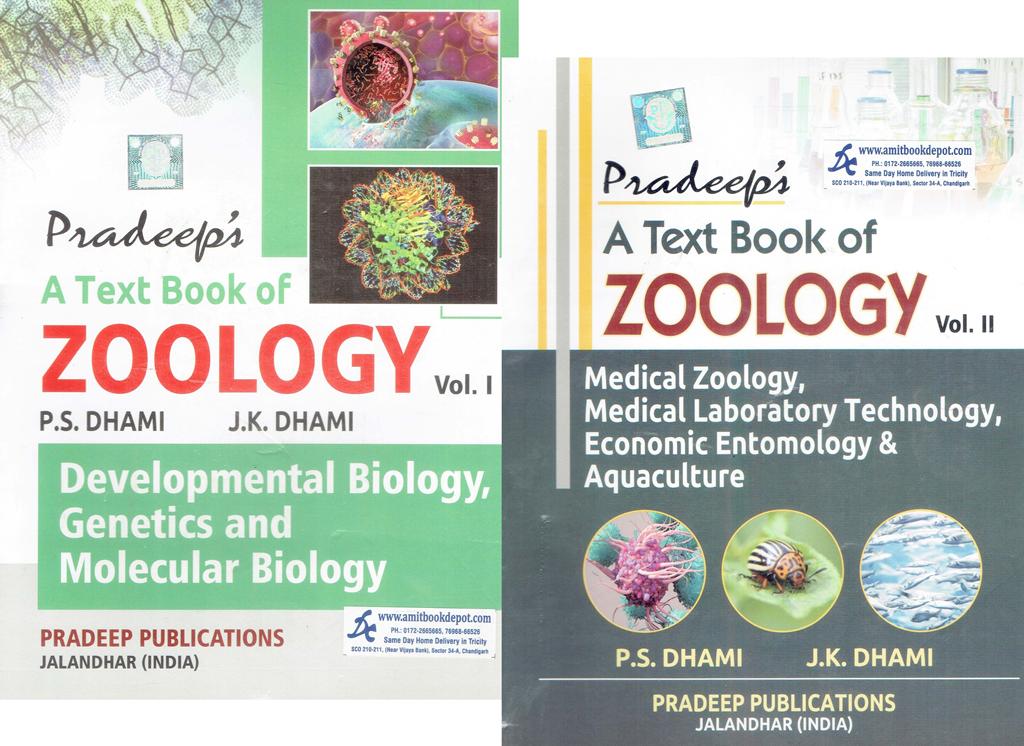
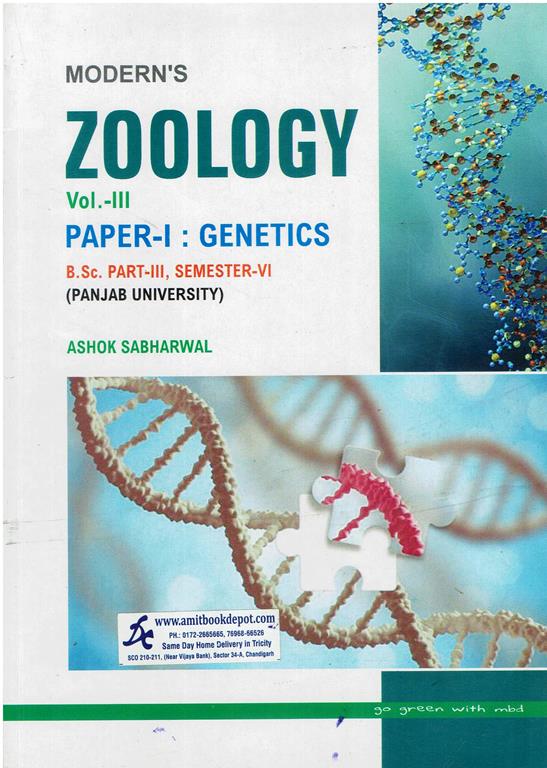
Yes, this textbook is meticulously crafted to cover the entire syllabus for the 5th and 6th semesters of BSc Zoology at Panjab University, Chandigarh, as well as Guru Nanak Dev University (G.N.D.U.) and other major Indian universities.
Absolutely. Volume I has detailed chapters on "Development of Humans" and "Embryology and Human Welfare," which specifically cover birth control, infertility, and In Vitro Fertilization (IVF).
Yes, Chapter 18 in the Genetics section (Volume I) is dedicated to "DNA Fingerprinting and Transgenic Animals," providing up-to-date information on these advanced molecular tools.
Volume II begins with a comprehensive section on Medical Zoology, detailing pathogenic viruses, bacteria, protozoans, helminths (flatworms and roundworms), and arthropod vectors of human diseases.
Yes, Chapter 11 in the Medical Zoology section (Volume II) covers "Human Defense Mechanisms (Immunology)," including disorders of the immune system and organ transplants.
The "Economic Entomology" section (Volume II) is a complete guide, covering insect pests of crops and stored grains, their control, pesticides, and management of harmful rodents and birds.
Yes, Volume I includes dedicated chapters on the development of Herdmania and Branchiostoma (Amphioxus), which are crucial for comparative embryology studies.
Yes, it covers all advanced topics thoroughly, including interaction of genes, quantitative inheritance, cytoplasmic (extranuclear) inheritance, and population genetics.
Yes, Chapter 15 in Volume I is specifically titled "Metamorphosis and Physiological Control," providing a detailed physiological perspective.
Yes, Chapter 12 covers the "Economic Importance of Fishes," detailing both useful and harmful fish species.
No Description Added
Yes, this textbook is meticulously crafted to cover the entire syllabus for the 5th and 6th semesters of BSc Zoology at Panjab University, Chandigarh, as well as Guru Nanak Dev University (G.N.D.U.) and other major Indian universities.
Absolutely. Volume I has detailed chapters on "Development of Humans" and "Embryology and Human Welfare," which specifically cover birth control, infertility, and In Vitro Fertilization (IVF).
Yes, Chapter 18 in the Genetics section (Volume I) is dedicated to "DNA Fingerprinting and Transgenic Animals," providing up-to-date information on these advanced molecular tools.
Volume II begins with a comprehensive section on Medical Zoology, detailing pathogenic viruses, bacteria, protozoans, helminths (flatworms and roundworms), and arthropod vectors of human diseases.
Yes, Chapter 11 in the Medical Zoology section (Volume II) covers "Human Defense Mechanisms (Immunology)," including disorders of the immune system and organ transplants.
The "Economic Entomology" section (Volume II) is a complete guide, covering insect pests of crops and stored grains, their control, pesticides, and management of harmful rodents and birds.
Yes, Volume I includes dedicated chapters on the development of Herdmania and Branchiostoma (Amphioxus), which are crucial for comparative embryology studies.
Yes, it covers all advanced topics thoroughly, including interaction of genes, quantitative inheritance, cytoplasmic (extranuclear) inheritance, and population genetics.
Yes, Chapter 15 in Volume I is specifically titled "Metamorphosis and Physiological Control," providing a detailed physiological perspective.
Yes, Chapter 12 covers the "Economic Importance of Fishes," detailing both useful and harmful fish species.