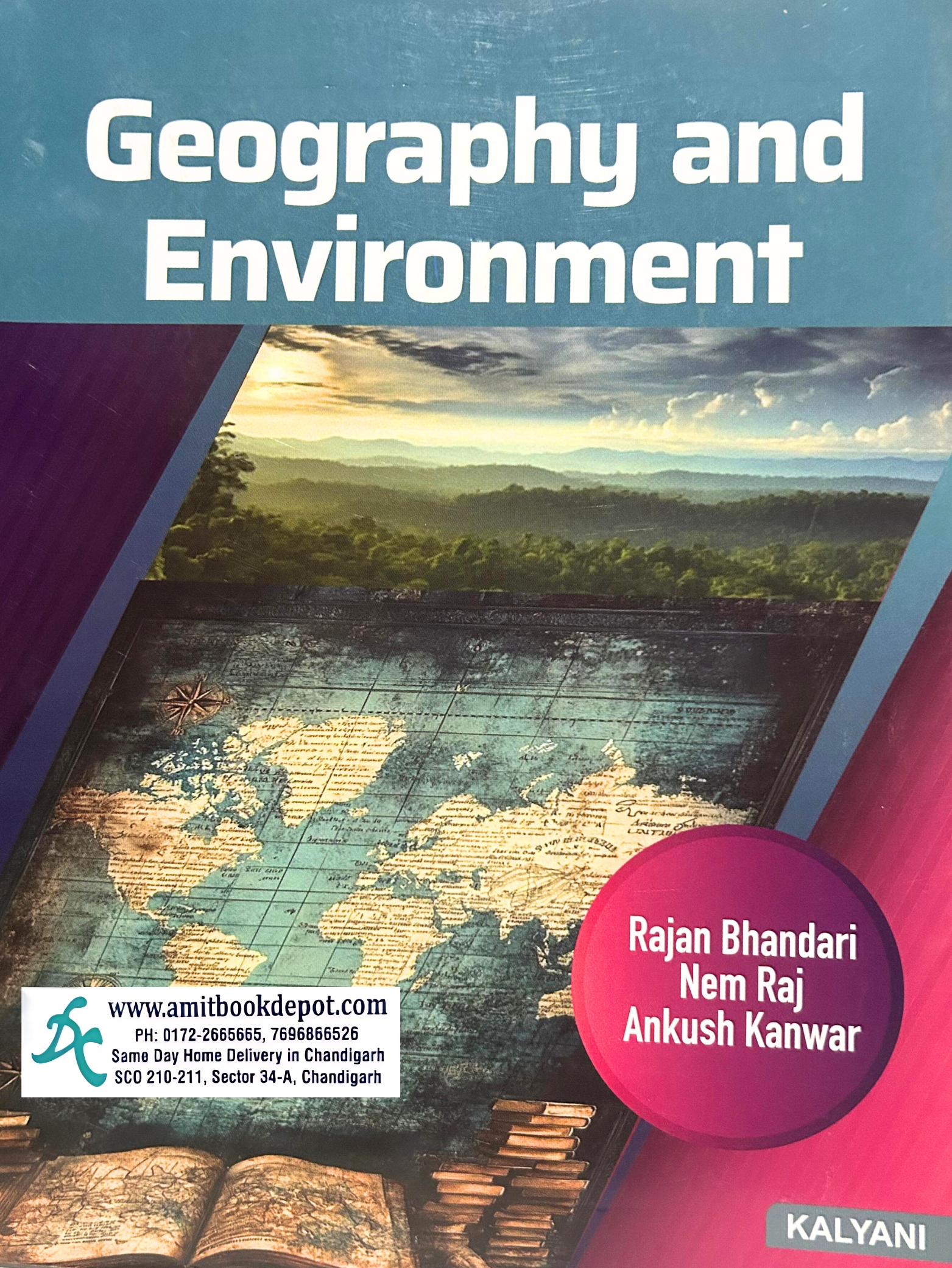
Yes, this book is meticulously crafted to cover 100% of the latest prescribed syllabus for Geography and Environment (MDC-1) for Panjab University Chandigarh.
Yes, the book's description and preface detail the evaluation pattern, including the break-up of theory marks (68), internal assessment (7), and the structure of the question paper.
Absolutely. Unit III is entirely dedicated to providing detailed overviews of all six major environmental laws mandated by the syllabus.
The comprehensive coverage of topics aids in completing assignments, term papers, and participating in discussions, which form the basis of internal assessment.
Yes, the content is presented to encourage the use of relevant maps and diagrams, and the authors have emphasized their importance, guiding students on where and how to incorporate them for scoring higher marks.
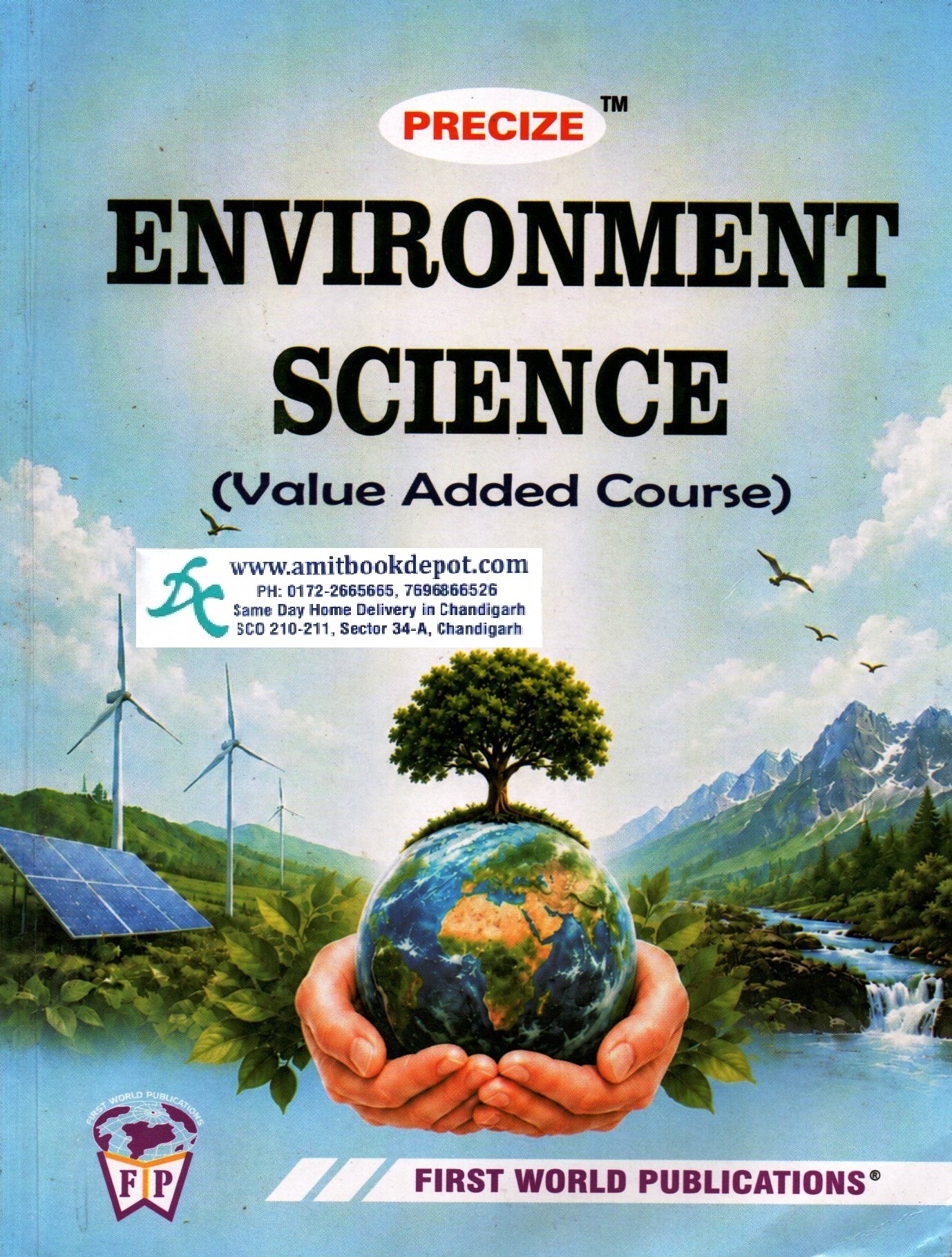
Yes, Chapter 7 in Unit II provides a detailed examination of both renewable and non-renewable energy resources.
Yes, the book breaks down the sustainable development approach in Chapter 8, making it easy for first-year students to understand.
Yes, Unit I, Chapter 4 specifically covers the functioning and characteristics of ecology and ecosystems.
While specifically designed for PU CHD, students from other universities with similar syllabi in geography, environmental studies, and Indian environmental laws will find it highly beneficial.
Yes, the book features a dedicated "Glossary of Important Terms" at the end, which is crucial for quick revisions and understanding key concepts.
No Description Added
Yes, this book is meticulously crafted to cover 100% of the latest prescribed syllabus for Geography and Environment (MDC-1) for Panjab University Chandigarh.
Yes, the book's description and preface detail the evaluation pattern, including the break-up of theory marks (68), internal assessment (7), and the structure of the question paper.
Absolutely. Unit III is entirely dedicated to providing detailed overviews of all six major environmental laws mandated by the syllabus.
The comprehensive coverage of topics aids in completing assignments, term papers, and participating in discussions, which form the basis of internal assessment.
Yes, the content is presented to encourage the use of relevant maps and diagrams, and the authors have emphasized their importance, guiding students on where and how to incorporate them for scoring higher marks.
Yes, Chapter 7 in Unit II provides a detailed examination of both renewable and non-renewable energy resources.
Yes, the book breaks down the sustainable development approach in Chapter 8, making it easy for first-year students to understand.
Yes, Unit I, Chapter 4 specifically covers the functioning and characteristics of ecology and ecosystems.
While specifically designed for PU CHD, students from other universities with similar syllabi in geography, environmental studies, and Indian environmental laws will find it highly beneficial.
Yes, the book features a dedicated "Glossary of Important Terms" at the end, which is crucial for quick revisions and understanding key concepts.