-
Mon-Fri: 10AM to 8PM 01722665665
-
My Account
-
-
0
Total :
₹ 0.00

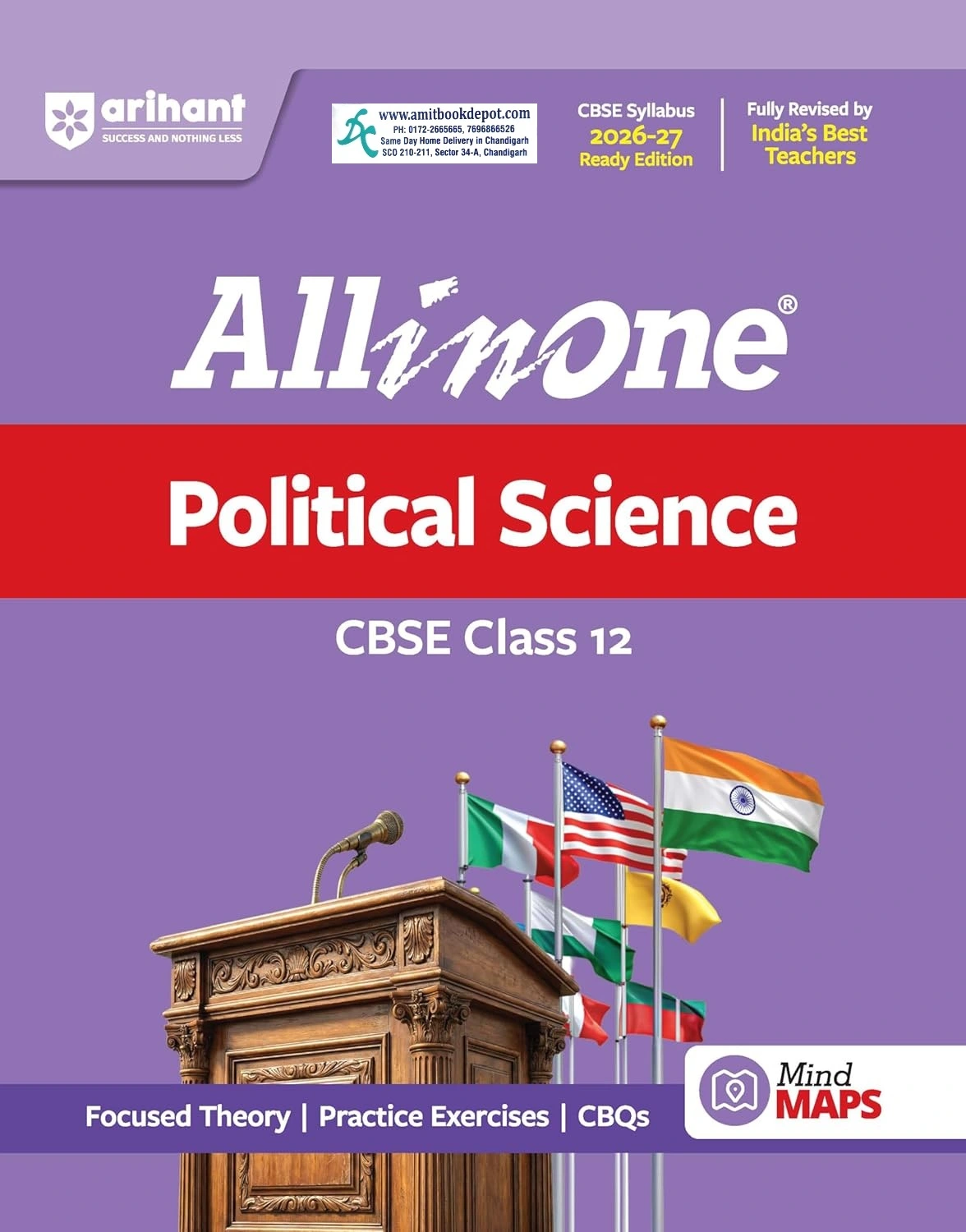



The key challenges were the three-pronged problems of rehabilitating refugees post-Partition, integrating the princely states, and reorganizing states on a linguistic basis to build a united nation .
NAM allowed India to maintain strategic autonomy during the Cold War, fostering ties with both power blocs while championing the causes of decolonization and world peace. .
It refers to the period of the Emergency (1975-77), declared due to perceived threats to national stability, which led to a suspension of civil liberties and a significant test for India's democratic institutions .
The Indian National Congress's dominance from 1952 to 1967 established a stable democratic framework, functioning as a broad social and ideological coalition that managed internal factions and integrated diverse interests .
They provide a platform for dialogue and cooperation, aim to prevent conflict, and address global issues. Reforms are sought to make them more representative and effective in the modern world .
It involved the use of Five-Year Plans by the Planning Commission to balance economic growth with social justice, focusing on strategic long-term development and rapid industrialization .
The syllabus covers the European Union (EU), ASEAN, and the rise of China, Japan, and South Korea as significant economic and political powers influencing global dynamics .
Internal political and economic stagnation, coupled with Gorbachev's reforms, led to its collapse. This ended the Cold War and created new nations, with India recalibrating its relations with Russia .
It discusses global environmental concerns, the principle of 'Common but Differentiated Responsibilities', and India's stand on issues like climate change and resource geopolitics .
It includes the context of the 1990s, the era of coalition governments, the political rise of backward classes, and the challenges of communalism and secularism in a modern democracy .
No Description Added
The key challenges were the three-pronged problems of rehabilitating refugees post-Partition, integrating the princely states, and reorganizing states on a linguistic basis to build a united nation .
NAM allowed India to maintain strategic autonomy during the Cold War, fostering ties with both power blocs while championing the causes of decolonization and world peace. .
It refers to the period of the Emergency (1975-77), declared due to perceived threats to national stability, which led to a suspension of civil liberties and a significant test for India's democratic institutions .
The Indian National Congress's dominance from 1952 to 1967 established a stable democratic framework, functioning as a broad social and ideological coalition that managed internal factions and integrated diverse interests .
They provide a platform for dialogue and cooperation, aim to prevent conflict, and address global issues. Reforms are sought to make them more representative and effective in the modern world .
It involved the use of Five-Year Plans by the Planning Commission to balance economic growth with social justice, focusing on strategic long-term development and rapid industrialization .
The syllabus covers the European Union (EU), ASEAN, and the rise of China, Japan, and South Korea as significant economic and political powers influencing global dynamics .
Internal political and economic stagnation, coupled with Gorbachev's reforms, led to its collapse. This ended the Cold War and created new nations, with India recalibrating its relations with Russia .
It discusses global environmental concerns, the principle of 'Common but Differentiated Responsibilities', and India's stand on issues like climate change and resource geopolitics .
It includes the context of the 1990s, the era of coalition governments, the political rise of backward classes, and the challenges of communalism and secularism in a modern democracy .