-
Mon-Fri: 10AM to 8PM 01722665665
-
My Account
-
-
0
Total :
₹ 0.00

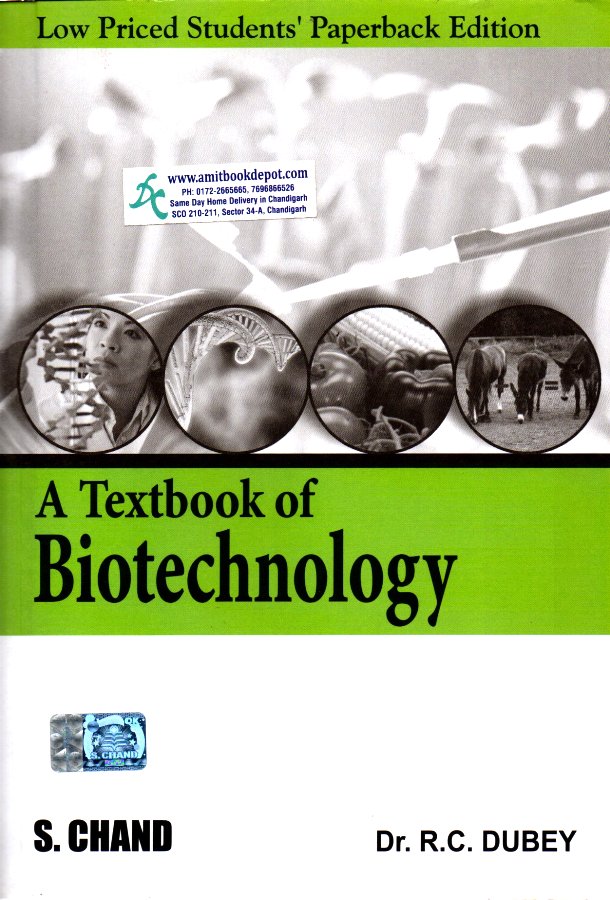


The book covers medical, agricultural, industrial, and environmental biotechnology, including genetic engineering, tissue culture, biofertilizers, biopesticides, bioenergy, and IPR.
It explains plasmids, bacteriophages, cosmids, phagemids, YACs (Yeast Artificial Chromosomes), and BACs (Bacterial Artificial Chromosomes) for DNA cloning.
It describes restriction endonucleases for cutting DNA at specific sites and DNA ligase for joining DNA fragments, forming recombinant DNA.
Genomics is study of entire genome structure and function. Proteomics studies complete set of proteins expressed by a genome.
Yes, it discusses manipulation of reproduction, methods to create transgenic animals, and their applications in medicine and agriculture.
Cryopreservation is preservation of cells, tissues, or organs at ultra-low temperatures (-196°C in liquid nitrogen) for long-term storage without damage.
SCP is produced by growing microorganisms like algae, yeast, or bacteria on waste substrates, harvested as protein-rich biomass for feed.
It is conversion of atmospheric nitrogen into ammonia by symbiotic (Rhizobium) or free-living (Azotobacter) bacteria, crucial for soil fertility.
It explains Bacillus thuringiensis (Bt) for caterpillar control and Trichoderma fungus for biological control of plant pathogens.
It uses microbes for bioremediation of oil spills, heavy metals, and industrial wastes, and treatment of sewage and xenobiotics.
No Description Added
The book covers medical, agricultural, industrial, and environmental biotechnology, including genetic engineering, tissue culture, biofertilizers, biopesticides, bioenergy, and IPR.
It explains plasmids, bacteriophages, cosmids, phagemids, YACs (Yeast Artificial Chromosomes), and BACs (Bacterial Artificial Chromosomes) for DNA cloning.
It describes restriction endonucleases for cutting DNA at specific sites and DNA ligase for joining DNA fragments, forming recombinant DNA.
Genomics is study of entire genome structure and function. Proteomics studies complete set of proteins expressed by a genome.
Yes, it discusses manipulation of reproduction, methods to create transgenic animals, and their applications in medicine and agriculture.
Cryopreservation is preservation of cells, tissues, or organs at ultra-low temperatures (-196°C in liquid nitrogen) for long-term storage without damage.
SCP is produced by growing microorganisms like algae, yeast, or bacteria on waste substrates, harvested as protein-rich biomass for feed.
It is conversion of atmospheric nitrogen into ammonia by symbiotic (Rhizobium) or free-living (Azotobacter) bacteria, crucial for soil fertility.
It explains Bacillus thuringiensis (Bt) for caterpillar control and Trichoderma fungus for biological control of plant pathogens.
It uses microbes for bioremediation of oil spills, heavy metals, and industrial wastes, and treatment of sewage and xenobiotics.