-
Mon-Fri: 10AM to 8PM 01722665665
-
My Account
-
-
0
Total :
₹ 0.00

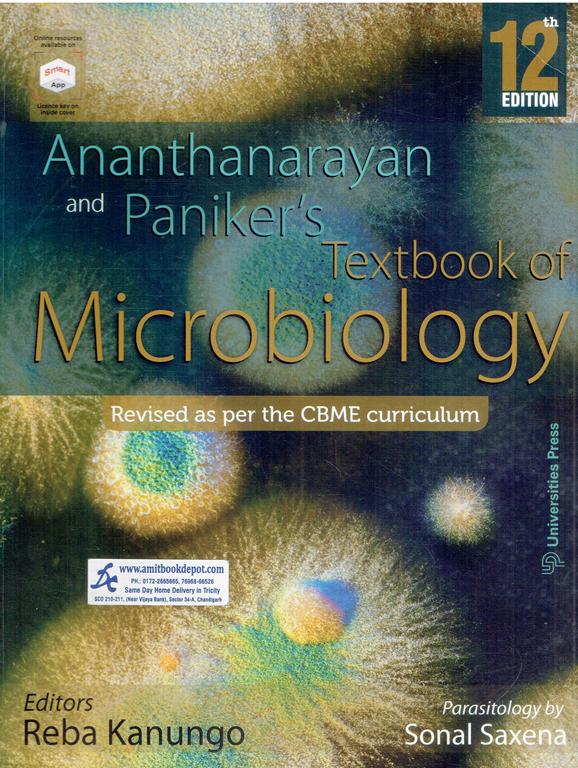





It covers bacteriology, virology, mycology, parasitology, microbial genetics, sterilisation, and antimicrobial agents.
It includes dedicated chapters on sterilisation, disinfection, and infection control in healthcare settings.
It details antigens, antibodies, the complement system, hypersensitivity, autoimmune disorders, and immunoprophylaxis.
Chapter 15 covers laboratory methods used in the detection of immunological response (antigen-antibody reactions).
Yes, a dedicated chapter on oncogenic viruses explains their role in cancer development.
Chapter 24 provides comprehensive coverage of gastrointestinal infections and their causative agents.
The "Mapping of Major Organisms" section at the beginning provides a quick reference guide
Yes, Chapter 26 is dedicated to genitourinary and sexually transmitted infections.
It focuses on the microbiological diagnosis and management of CNS infections like meningitis.
Yes, a dedicated chapter on opportunistic infections addresses this critical topic.
No Description Added
It covers bacteriology, virology, mycology, parasitology, microbial genetics, sterilisation, and antimicrobial agents.
It includes dedicated chapters on sterilisation, disinfection, and infection control in healthcare settings.
It details antigens, antibodies, the complement system, hypersensitivity, autoimmune disorders, and immunoprophylaxis.
Chapter 15 covers laboratory methods used in the detection of immunological response (antigen-antibody reactions).
Yes, a dedicated chapter on oncogenic viruses explains their role in cancer development.
Chapter 24 provides comprehensive coverage of gastrointestinal infections and their causative agents.
The "Mapping of Major Organisms" section at the beginning provides a quick reference guide
Yes, Chapter 26 is dedicated to genitourinary and sexually transmitted infections.
It focuses on the microbiological diagnosis and management of CNS infections like meningitis.
Yes, a dedicated chapter on opportunistic infections addresses this critical topic.