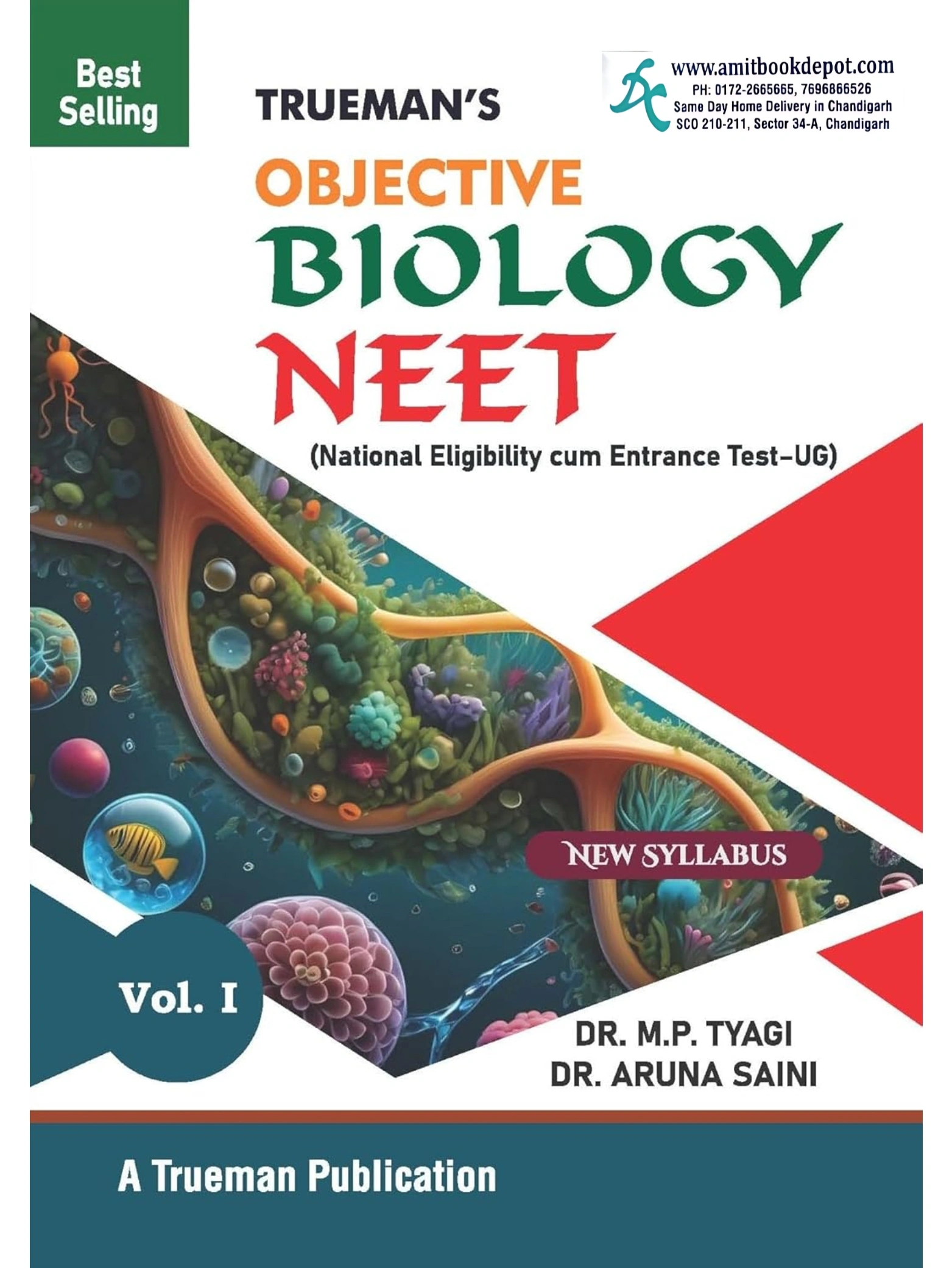
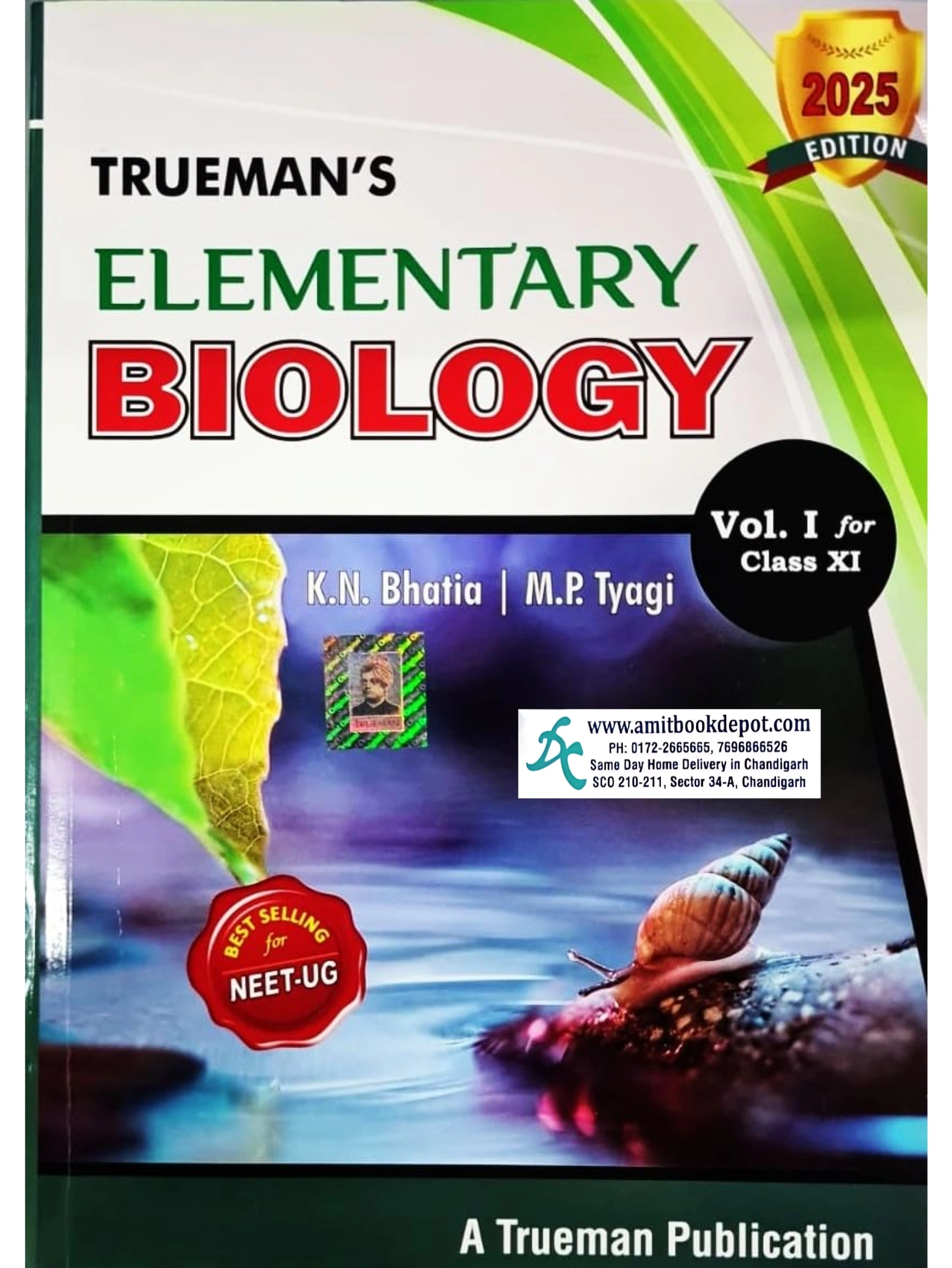
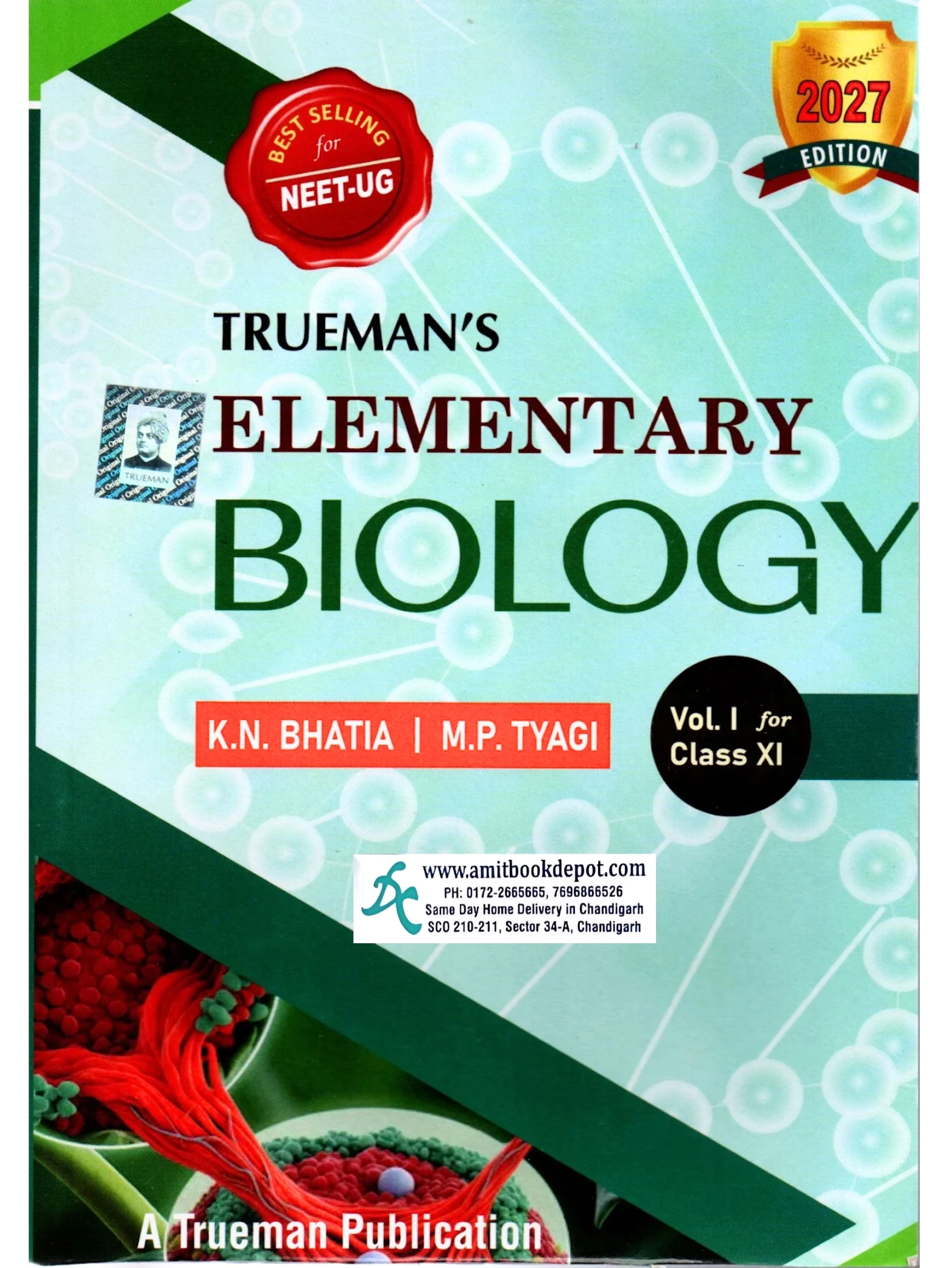
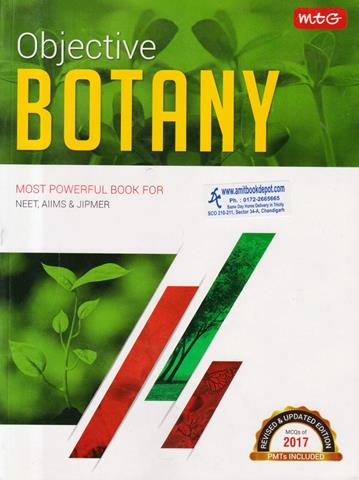
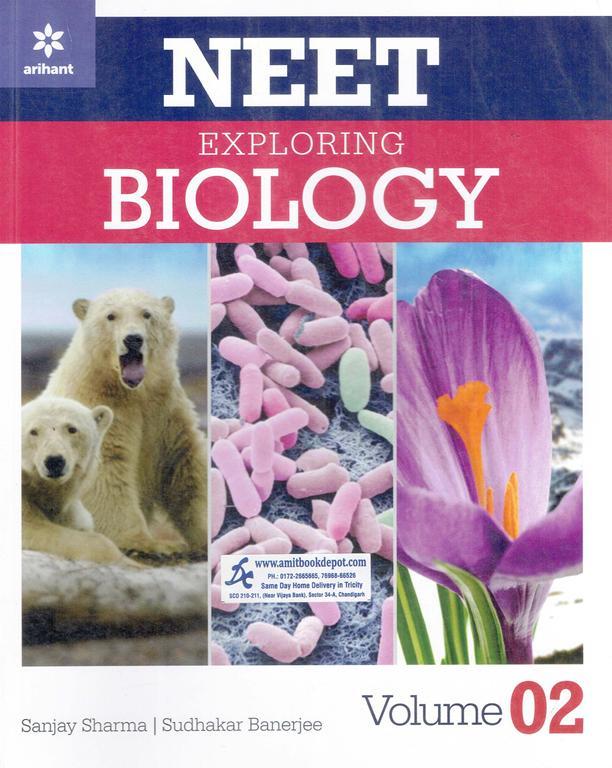
Yes, the book is meticulously structured to align with the latest NCERT/CBSE syllabus for Class 11 Biology. Its unit and chapter sequence directly correspond to the prescribed curriculum, ensuring complete coverage of all topics.
Absolutely. Beyond the NCERT content, the book features a special section titled "Additional Topics (Families) for NEET," which covers important botanical families and other concepts frequently asked in the medical entrance examination, giving aspirants a significant advantage.
The book provides exceptionally detailed coverage. Following an overview in Chapter 2: Biological Classification, it includes dedicated sub-chapters: 2A Kingdom Monera, 2B Kingdom Protista, and 2C Kingdom Fungi, ensuring an in-depth understanding of each kingdom as required.
Yes, Unit 5: Human Physiology covers all systems (respiratory, circulatory, excretory, etc.) in great detail. In adherence to the syllabus, it also includes a brief explanation of relevant disorders such as asthma, hypertension, arthritis, diabetes, and others.
The book is renowned for its high-quality, well-labeled, and detailed diagrams. These illustrations are pivotal for understanding complex concepts in morphology of flowering plants, anatomy, cell biology, and human physiological systems, aiding in both theory and diagram-based exam questions.
Yes, Chapters 11 and 12 break down complex processes like the C3/C4 pathways, photophosphorylation, and the electron transport chain into logically sequenced, easy-to-understand segments with clear diagrams, making these challenging topics accessible.
Chapter 9: Biomolecules provides a clear and detailed explanation of the structure and function of proteins, carbohydrates, lipids, nucleic acids, and enzymes, including their types, properties, and mechanism of action, forming a strong base for molecular biology.
Yes, following the NCERT/CBSE syllabus, Chapter 7 uses the frog as a model organism to explain the morphology, anatomy, and functions of various systems (digestive, circulatory, etc.), providing a comparative basis for understanding animal organization.
Yes, the description of the family Solanaceae is covered in detail within Chapter 5: Morphology of Flowering Plants, as mandated by the syllabus.
The language is scientific yet clear and student-friendly. Complex ideas are broken down into simpler points, and the logical flow of content makes it suitable for students of all proficiency levels to build a strong conceptual understanding.
No Description Added
Yes, the book is meticulously structured to align with the latest NCERT/CBSE syllabus for Class 11 Biology. Its unit and chapter sequence directly correspond to the prescribed curriculum, ensuring complete coverage of all topics.
Absolutely. Beyond the NCERT content, the book features a special section titled "Additional Topics (Families) for NEET," which covers important botanical families and other concepts frequently asked in the medical entrance examination, giving aspirants a significant advantage.
The book provides exceptionally detailed coverage. Following an overview in Chapter 2: Biological Classification, it includes dedicated sub-chapters: 2A Kingdom Monera, 2B Kingdom Protista, and 2C Kingdom Fungi, ensuring an in-depth understanding of each kingdom as required.
Yes, Unit 5: Human Physiology covers all systems (respiratory, circulatory, excretory, etc.) in great detail. In adherence to the syllabus, it also includes a brief explanation of relevant disorders such as asthma, hypertension, arthritis, diabetes, and others.
The book is renowned for its high-quality, well-labeled, and detailed diagrams. These illustrations are pivotal for understanding complex concepts in morphology of flowering plants, anatomy, cell biology, and human physiological systems, aiding in both theory and diagram-based exam questions.
Yes, Chapters 11 and 12 break down complex processes like the C3/C4 pathways, photophosphorylation, and the electron transport chain into logically sequenced, easy-to-understand segments with clear diagrams, making these challenging topics accessible.
Chapter 9: Biomolecules provides a clear and detailed explanation of the structure and function of proteins, carbohydrates, lipids, nucleic acids, and enzymes, including their types, properties, and mechanism of action, forming a strong base for molecular biology.
Yes, following the NCERT/CBSE syllabus, Chapter 7 uses the frog as a model organism to explain the morphology, anatomy, and functions of various systems (digestive, circulatory, etc.), providing a comparative basis for understanding animal organization.
Yes, the description of the family Solanaceae is covered in detail within Chapter 5: Morphology of Flowering Plants, as mandated by the syllabus.
The language is scientific yet clear and student-friendly. Complex ideas are broken down into simpler points, and the logical flow of content makes it suitable for students of all proficiency levels to build a strong conceptual understanding.