-
Mon-Fri: 10AM to 8PM 01722665665
-
My Account
-
-
0
Total :
₹ 0.00

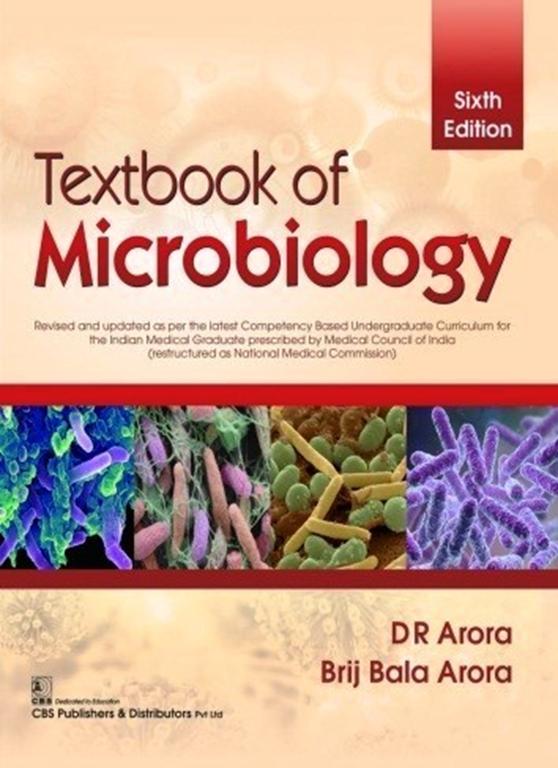

The book details autoclaving, incineration, chemical disinfection, and radiation, along with protocols for safe segregation and disposal of infectious biomedical waste.
It covers plasmids, transposons, mutation, and gene transfer mechanisms (conjugation, transformation, transduction) linking genetic elements to antibiotic resistance and virulence factors.
Immunity, antigens, antibodies, complement system, immune response, immunodeficiency diseases, hypersensitivity, autoimmunity, and histocompatibility systems are comprehensively detailed.
Yes, the virology section details virus-host interactions, serological assays, molecular methods, cell culture, and viral vaccines for laboratory diagnosis of viral infections.
It covers pathogenesis, laboratory diagnosis using Ziehl-Neelsen stain and culture, drug sensitivity testing, and treatment of tuberculosis with first-line and second-line drugs.
Yes, a separate chapter covers emerging and re-emerging diseases like COVID-19, Ebola, Nipah, and Zika, including their epidemiology and laboratory diagnosis.
The book describes automated blood culture systems, MALDI-TOF for identification, automated sensitivity testing platforms, and robotic specimen processors in modern labs.
It covers common pathogens (MRSA, C. difficile, VRE), infection control protocols, surveillance, and prevention strategies including hand hygiene and isolation precautions.
Yes, a full chapter on oncogenic viruses explains HPV, EBV, HBV, HCV, and HTLV-1 roles in cancer pathogenesis and associated laboratory markers.
It covers coliform count, MPN index, membrane filtration technique, pasteurization testing, and public health standards for potable water and milk.
No Description Added
The book details autoclaving, incineration, chemical disinfection, and radiation, along with protocols for safe segregation and disposal of infectious biomedical waste.
It covers plasmids, transposons, mutation, and gene transfer mechanisms (conjugation, transformation, transduction) linking genetic elements to antibiotic resistance and virulence factors.
Immunity, antigens, antibodies, complement system, immune response, immunodeficiency diseases, hypersensitivity, autoimmunity, and histocompatibility systems are comprehensively detailed.
Yes, the virology section details virus-host interactions, serological assays, molecular methods, cell culture, and viral vaccines for laboratory diagnosis of viral infections.
It covers pathogenesis, laboratory diagnosis using Ziehl-Neelsen stain and culture, drug sensitivity testing, and treatment of tuberculosis with first-line and second-line drugs.
Yes, a separate chapter covers emerging and re-emerging diseases like COVID-19, Ebola, Nipah, and Zika, including their epidemiology and laboratory diagnosis.
The book describes automated blood culture systems, MALDI-TOF for identification, automated sensitivity testing platforms, and robotic specimen processors in modern labs.
It covers common pathogens (MRSA, C. difficile, VRE), infection control protocols, surveillance, and prevention strategies including hand hygiene and isolation precautions.
Yes, a full chapter on oncogenic viruses explains HPV, EBV, HBV, HCV, and HTLV-1 roles in cancer pathogenesis and associated laboratory markers.
It covers coliform count, MPN index, membrane filtration technique, pasteurization testing, and public health standards for potable water and milk.