-
Mon-Fri: 10AM to 8PM 01722665665
-
My Account
-
-
0
Total :
₹ 0.00

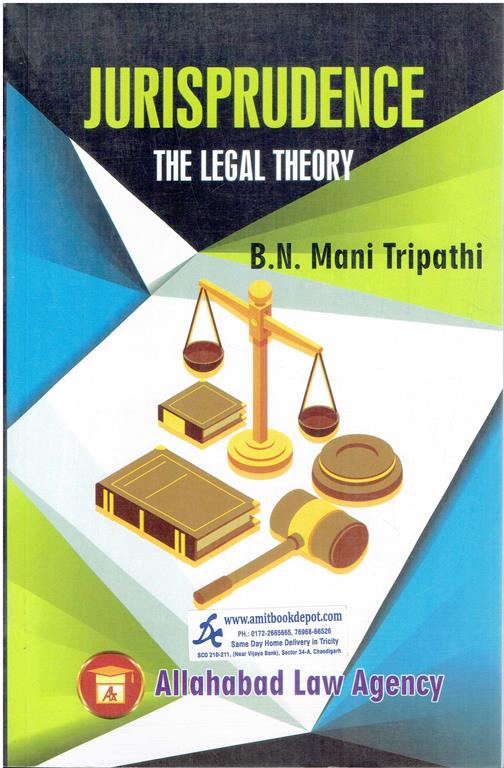


Analytical, Historical, Sociological, Realist, Pure Theory, Communist, Hindu, and Natural Law schools.
Yes, Part II covers the administration of justice, the state, sovereignty, and law’s nature and purpose.
Three consecutive chapters (21, 22, 23) thoroughly examine precedent as a source of law.
Yes, separate chapters on possession (Ch. 30) and ownership (Ch. 31) clarify both concepts.
Chapter 15 analytically distinguishes law from morals, examining their intersections and conflicts.
Yes, Chapter 34 specifically addresses intellectual property within legal concepts.
Chapter 39 covers Social Action Litigation, commonly known as Public Interest Litigation.
Yes, Chapter 33 covers property, while Chapter 37 focuses on private property.
Chapter 38 is devoted to legal aid as a socio-legal development.
Chapter 13 explains the kinds of law, and Chapter 14 provides classification of law.
Analytical, Historical, Sociological, Realist, Pure Theory, Communist, Hindu, and Natural Law schools.
Yes, Part II covers the administration of justice, the state, sovereignty, and law’s nature and purpose.
Three consecutive chapters (21, 22, 23) thoroughly examine precedent as a source of law.
Yes, separate chapters on possession (Ch. 30) and ownership (Ch. 31) clarify both concepts.
Chapter 15 analytically distinguishes law from morals, examining their intersections and conflicts.
Yes, Chapter 34 specifically addresses intellectual property within legal concepts.
Chapter 39 covers Social Action Litigation, commonly known as Public Interest Litigation.
Yes, Chapter 33 covers property, while Chapter 37 focuses on private property.
Chapter 38 is devoted to legal aid as a socio-legal development.
Chapter 13 explains the kinds of law, and Chapter 14 provides classification of law.