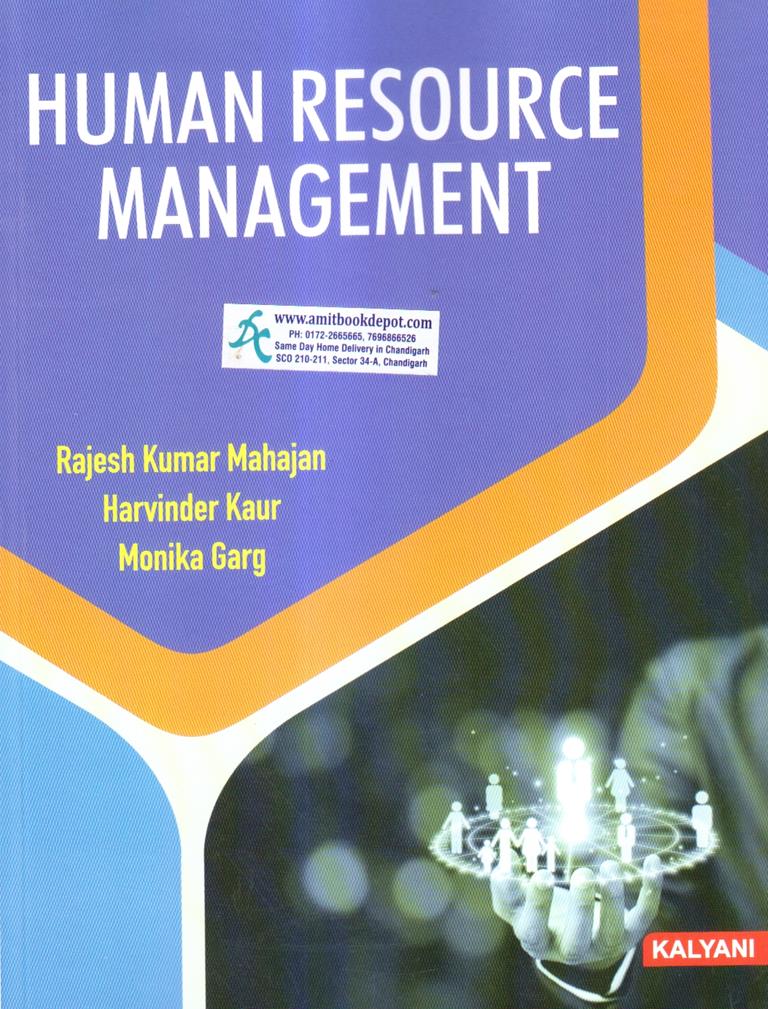
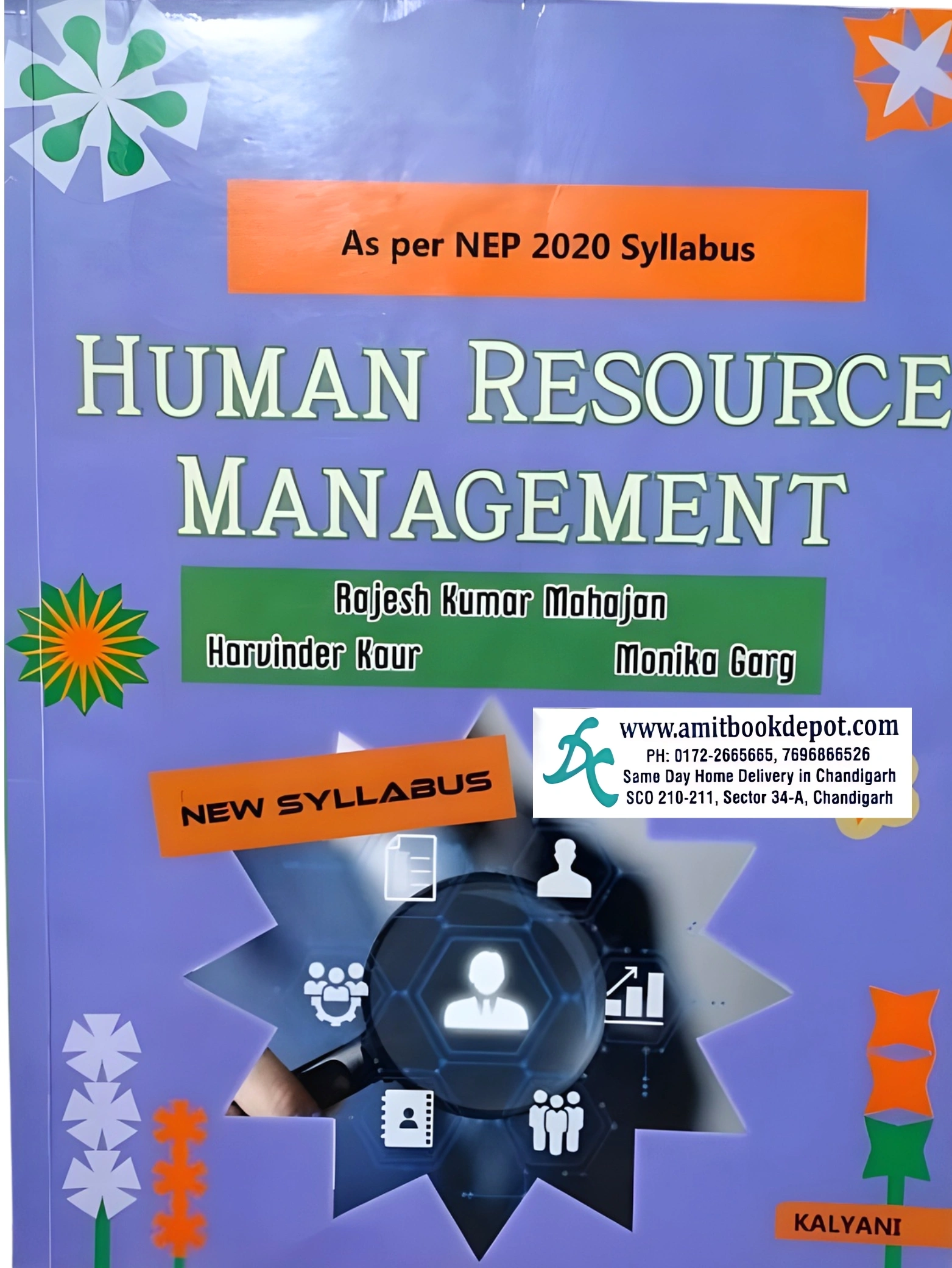
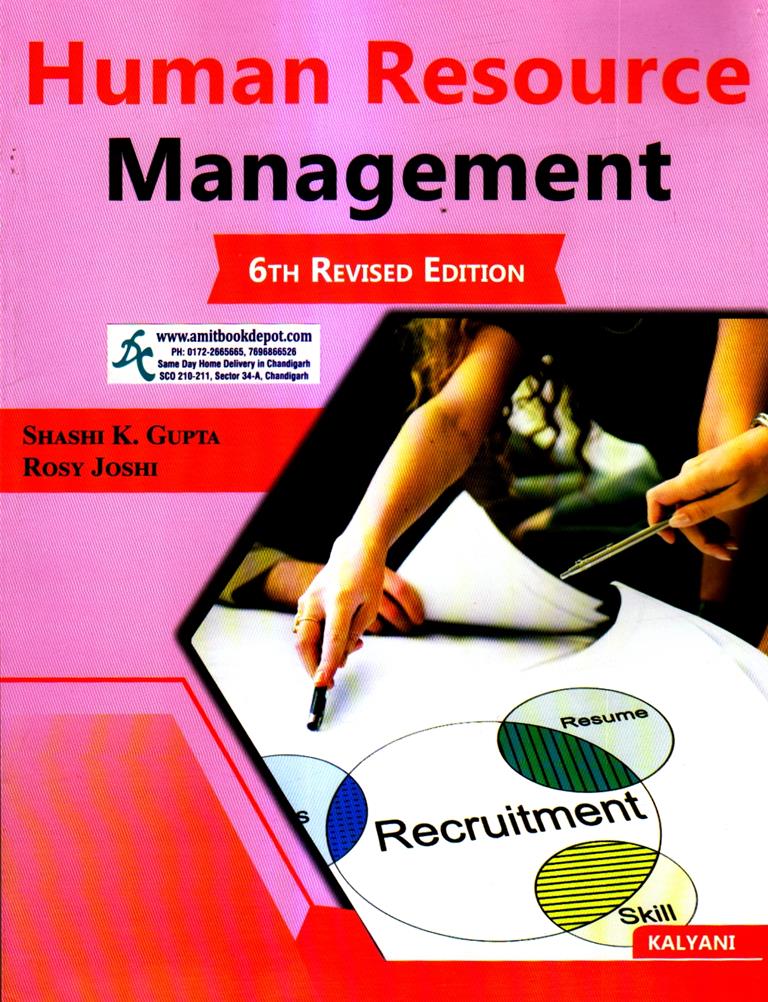
Yes, this book is meticulously crafted to align 100% with the prescribed syllabus for course code NBCM 202, including the division into Unit I and Unit II.
Absolutely. Chapter 2, "Emerging Trends and Challenges for HRM," is dedicated to contemporary issues, including digital transformation and future trends, as specified in the syllabus.
The content is structured to mirror the exam format, with topics organized to help you tackle Section A (short answers), Section B (Unit I essays), and Section C (Unit II essays) effectively.
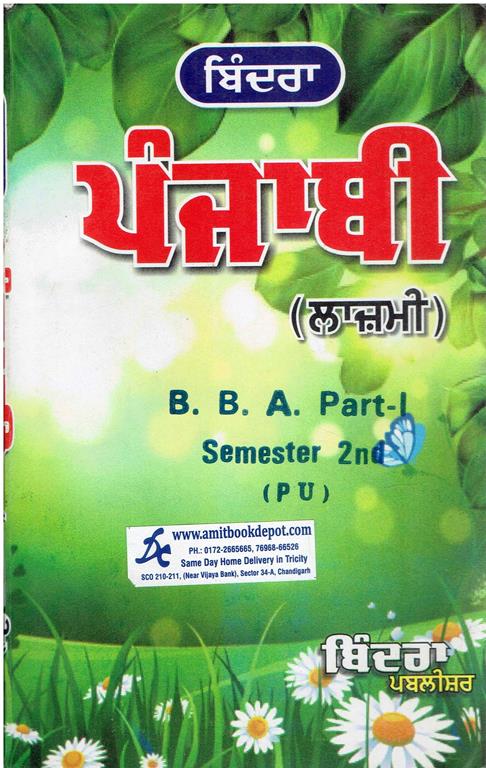
This book is designed for both BCom and BBA 2nd Semester students at Panjab University, as the syllabus is common for these programs for this core subject.
Yes, Chapter 4 provides a complete overview of both Job Analysis and Job Design, including their objectives, benefits, processes, and techniques, exactly as outlined in the syllabus.
Each chapter is designed to directly contribute to specific Course Outcomes, such as building an integrated perspective on HRM (CO1), developing competency in recruitment and training (CO3), and understanding new trends (CO5).
Chapter 8 on Performance Appraisal covers the concept, objectives, and various methods, along with suggestions for making appraisals effective and performance improvement techniques, providing a well-rounded understanding.
The book is written in a clear, concise, and student-friendly manner, making complex HRM concepts accessible to students who are being introduced to the subject.
Yes, Chapter 9, "Internal Mobility," is entirely dedicated to explaining Promotions, Transfers, Demotions, and Separations in detail, with definitions, purposes, types, and policies.
While its primary focus is the Panjab University Chandigarh syllabus, the strong foundational knowledge in core HRM principles makes it a valuable resource for various competitive exams in the future.
No Description Added
Yes, this book is meticulously crafted to align 100% with the prescribed syllabus for course code NBCM 202, including the division into Unit I and Unit II.
Absolutely. Chapter 2, "Emerging Trends and Challenges for HRM," is dedicated to contemporary issues, including digital transformation and future trends, as specified in the syllabus.
The content is structured to mirror the exam format, with topics organized to help you tackle Section A (short answers), Section B (Unit I essays), and Section C (Unit II essays) effectively.
This book is designed for both BCom and BBA 2nd Semester students at Panjab University, as the syllabus is common for these programs for this core subject.
Yes, Chapter 4 provides a complete overview of both Job Analysis and Job Design, including their objectives, benefits, processes, and techniques, exactly as outlined in the syllabus.
Each chapter is designed to directly contribute to specific Course Outcomes, such as building an integrated perspective on HRM (CO1), developing competency in recruitment and training (CO3), and understanding new trends (CO5).
Chapter 8 on Performance Appraisal covers the concept, objectives, and various methods, along with suggestions for making appraisals effective and performance improvement techniques, providing a well-rounded understanding.
The book is written in a clear, concise, and student-friendly manner, making complex HRM concepts accessible to students who are being introduced to the subject.
Yes, Chapter 9, "Internal Mobility," is entirely dedicated to explaining Promotions, Transfers, Demotions, and Separations in detail, with definitions, purposes, types, and policies.
While its primary focus is the Panjab University Chandigarh syllabus, the strong foundational knowledge in core HRM principles makes it a valuable resource for various competitive exams in the future.