-
Mon-Fri: 10AM to 8PM 01722665665
-
My Account
-
-
0
Total :
₹ 0.00

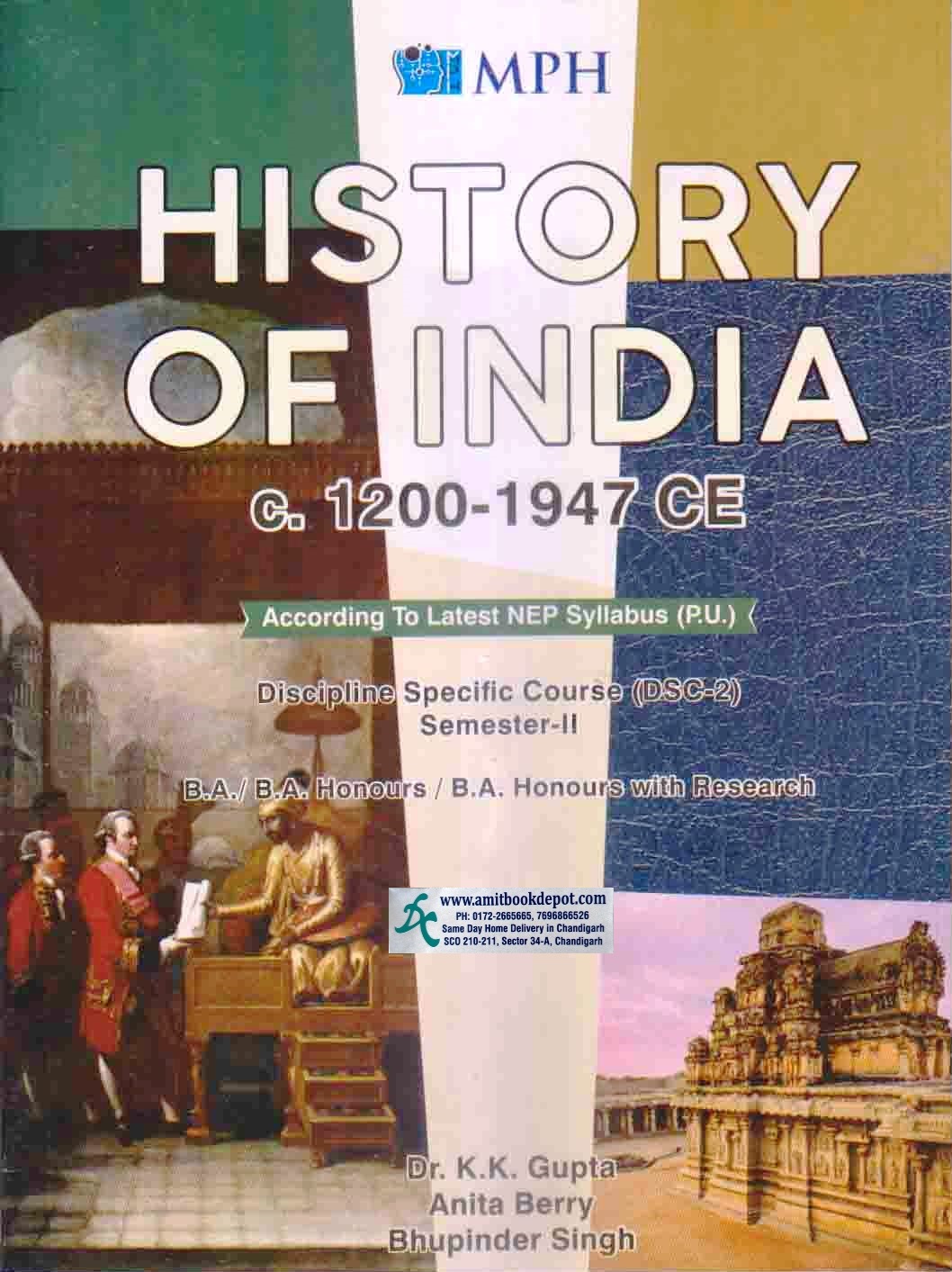
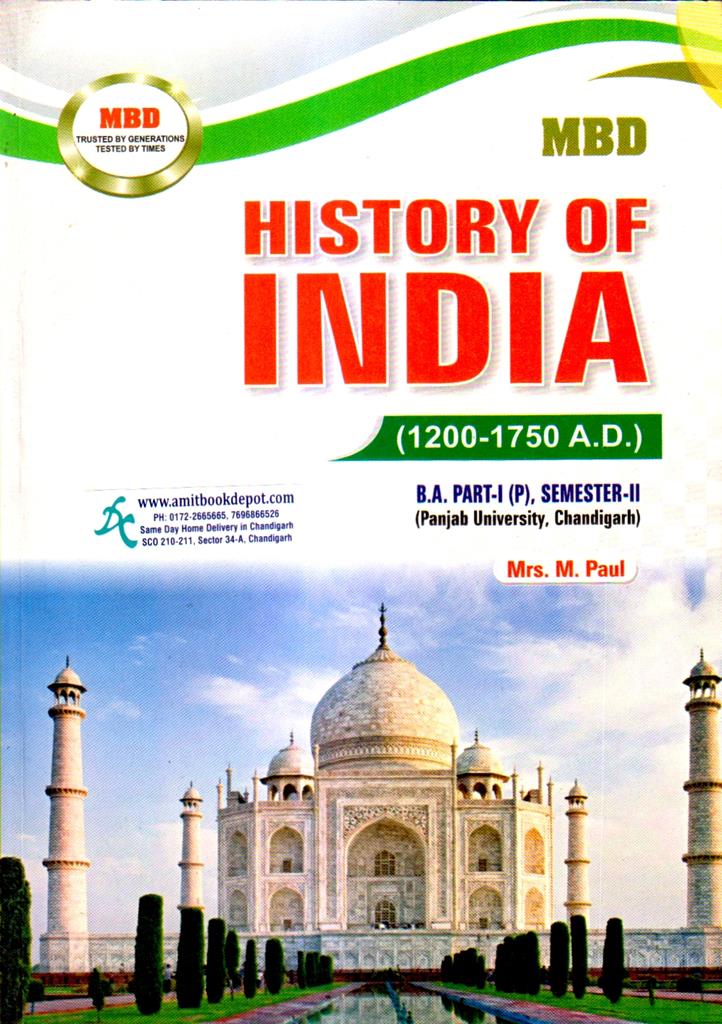
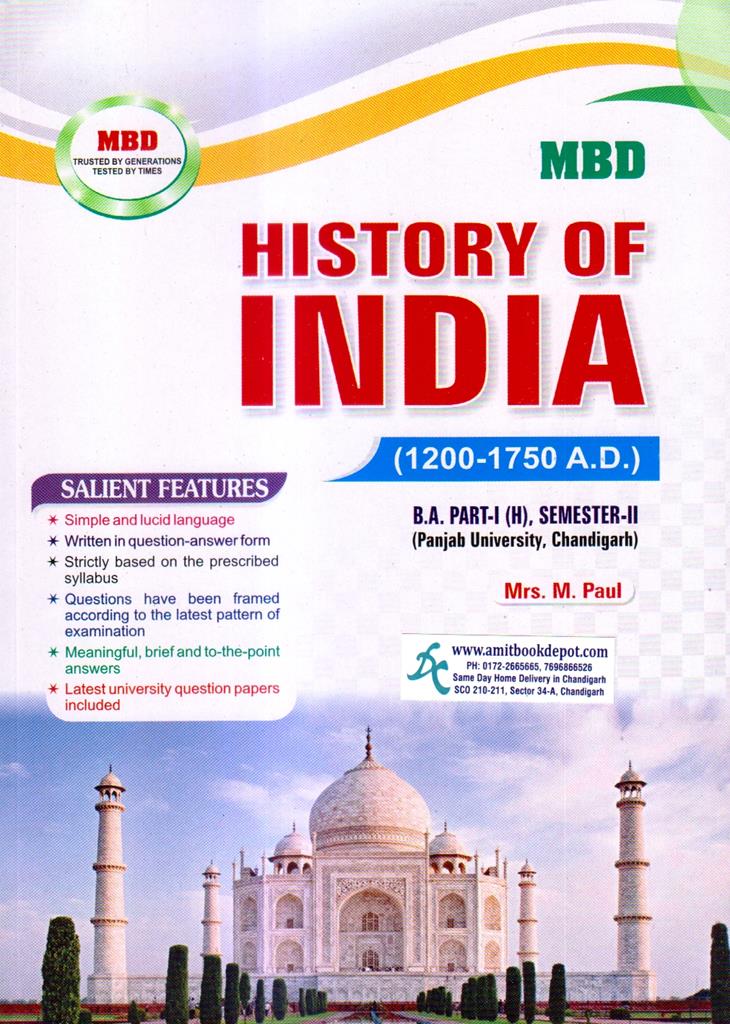
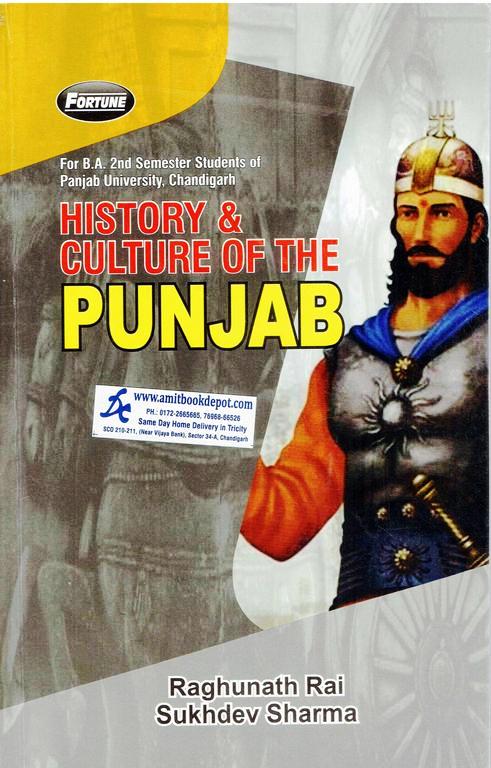
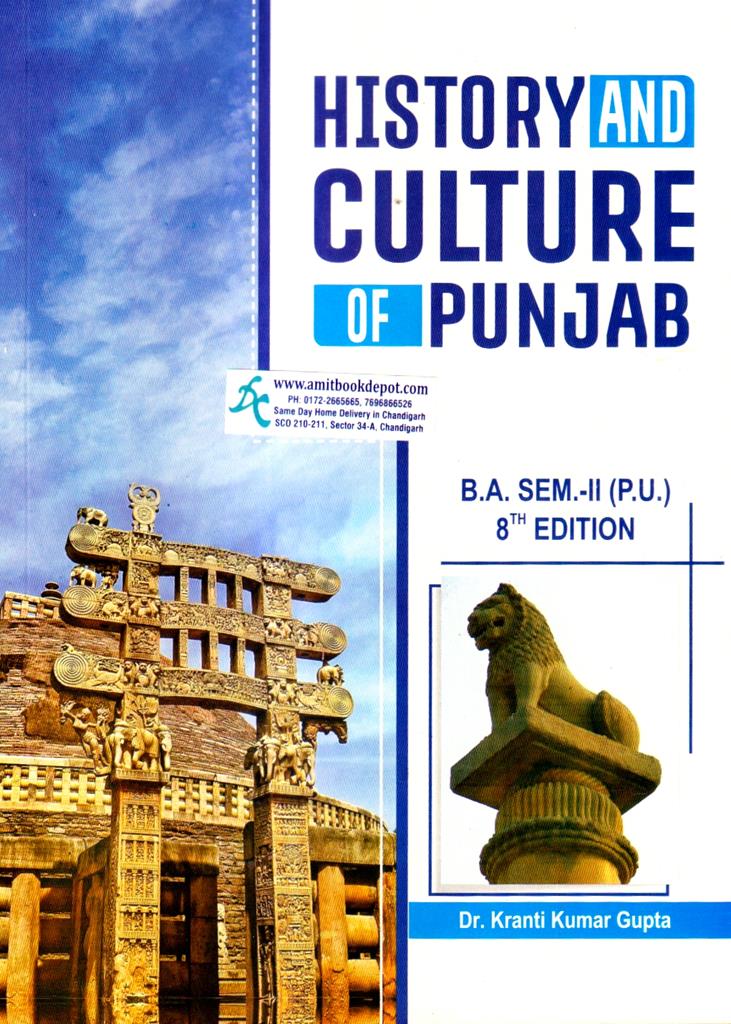
Yes, this book is specifically written and structured to cover the entire syllabus for the History of India c. 1200-1947 CE (Course Code: HIS-DSC) for BA 2nd Semester at Panjab University, Chandigarh.
Absolutely. The book contains a dedicated chapter titled "Concepts and Terms" where all the key terminologies from the syllabus, including Balban’s Theory of Kingship, Sulhi Kul, and Doctrine of Lapse, are clearly defined and explained for easy understanding.
The core chapters are structured to provide detailed, in-depth information on each topic. This comprehensive coverage, with analytical insights, equips students with the necessary content to formulate well-argued essays of 700-1000 words as required in the examination.
Yes, this book is perfectly suitable for USOL students. It covers the entire theoretical syllabus, which is the basis for your promotional assessment in lieu of internal marks.
Yes, there are dedicated chapters on the Khalsa Raj and the contribution of the Akalis (Gurudwara Reform Movement), ensuring focused and detailed coverage of these important regional and socio-political movements.
Yes, the contribution of Subhash Chandra Bose and the Indian National Army (INA) is discussed in a dedicated section within the chapter on the Ghadar Party, Akalis, Naujawan Bharat Sabha, and INA, highlighting their unique role in the freedom struggle.
The book is written in clear, academic English tailored for undergraduate students, making complex historical concepts and events accessible and easy to understand.
While the book provides the core content and analysis, the comprehensive coverage of topics makes it an excellent resource for preparing assignment reports and class presentations, which are part of the internal assessment.
Yes, a full chapter is dedicated to the arrival of Europeans, with special reference to the British East India Company, including critical analyses of policies like the 'Dual Policy of Clive'.
Yes, the emergence of the Vijaynagar Empire and the Maratha Empire are covered in distinct, individual chapters, allowing for a detailed and focused study of each.
No Description Added
Yes, this book is specifically written and structured to cover the entire syllabus for the History of India c. 1200-1947 CE (Course Code: HIS-DSC) for BA 2nd Semester at Panjab University, Chandigarh.
Absolutely. The book contains a dedicated chapter titled "Concepts and Terms" where all the key terminologies from the syllabus, including Balban’s Theory of Kingship, Sulhi Kul, and Doctrine of Lapse, are clearly defined and explained for easy understanding.
The core chapters are structured to provide detailed, in-depth information on each topic. This comprehensive coverage, with analytical insights, equips students with the necessary content to formulate well-argued essays of 700-1000 words as required in the examination.
Yes, this book is perfectly suitable for USOL students. It covers the entire theoretical syllabus, which is the basis for your promotional assessment in lieu of internal marks.
Yes, there are dedicated chapters on the Khalsa Raj and the contribution of the Akalis (Gurudwara Reform Movement), ensuring focused and detailed coverage of these important regional and socio-political movements.
Yes, the contribution of Subhash Chandra Bose and the Indian National Army (INA) is discussed in a dedicated section within the chapter on the Ghadar Party, Akalis, Naujawan Bharat Sabha, and INA, highlighting their unique role in the freedom struggle.
The book is written in clear, academic English tailored for undergraduate students, making complex historical concepts and events accessible and easy to understand.
While the book provides the core content and analysis, the comprehensive coverage of topics makes it an excellent resource for preparing assignment reports and class presentations, which are part of the internal assessment.
Yes, a full chapter is dedicated to the arrival of Europeans, with special reference to the British East India Company, including critical analyses of policies like the 'Dual Policy of Clive'.
Yes, the emergence of the Vijaynagar Empire and the Maratha Empire are covered in distinct, individual chapters, allowing for a detailed and focused study of each.