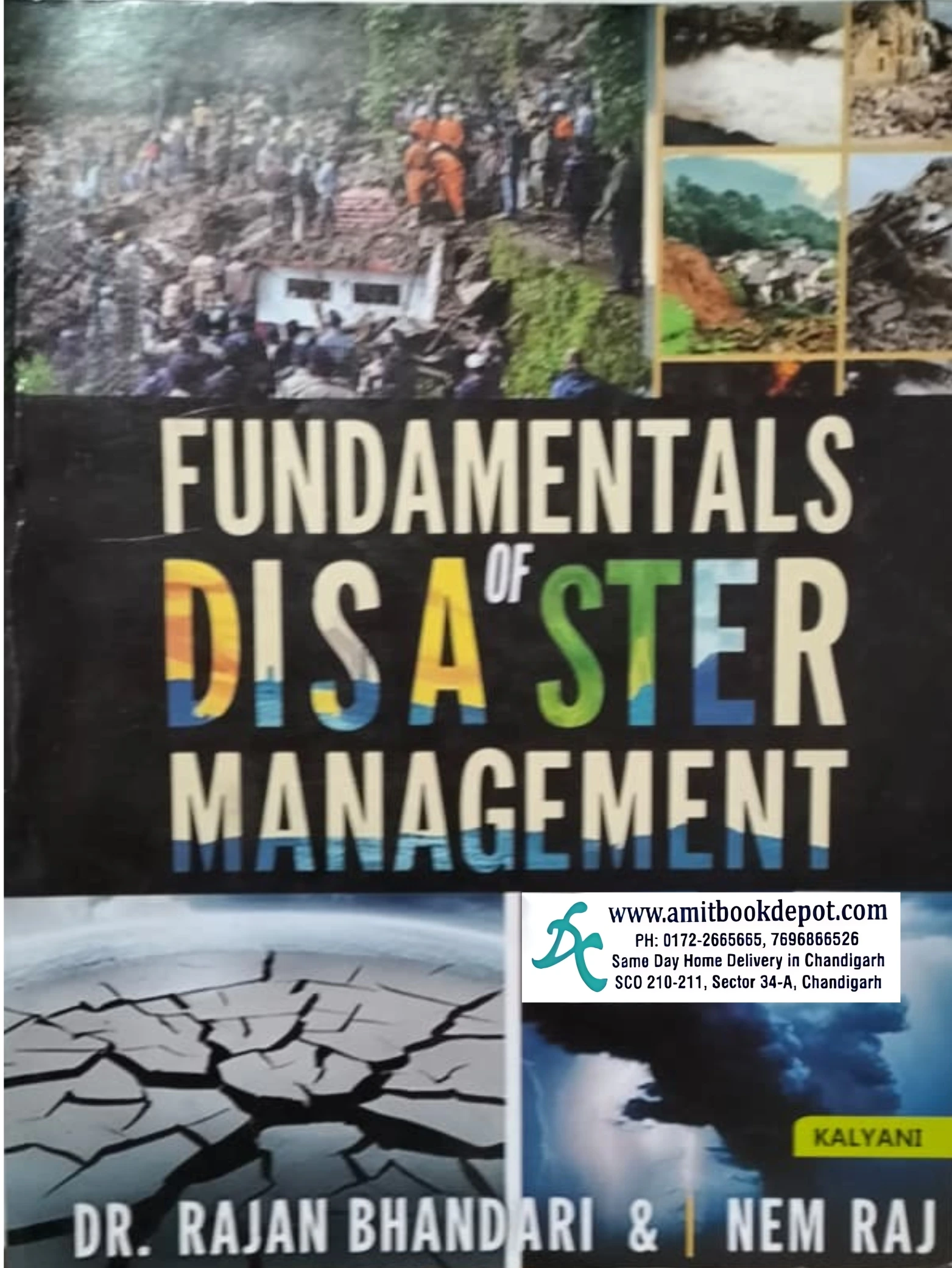
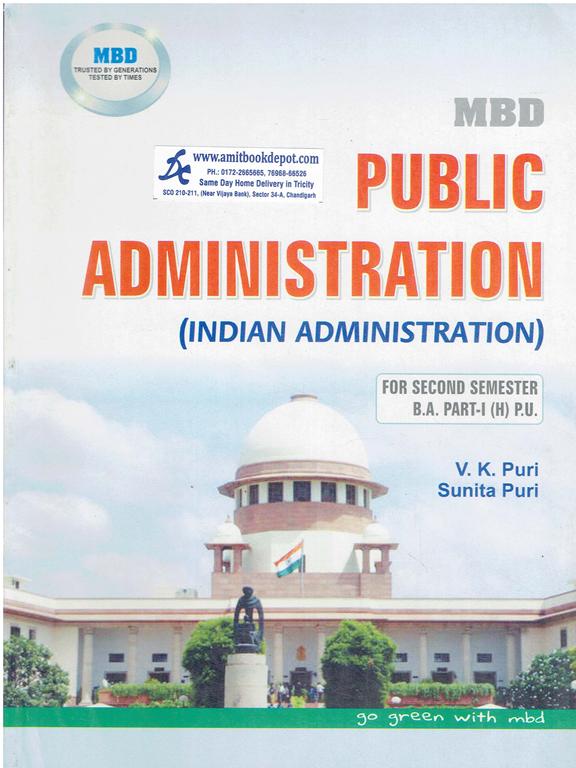
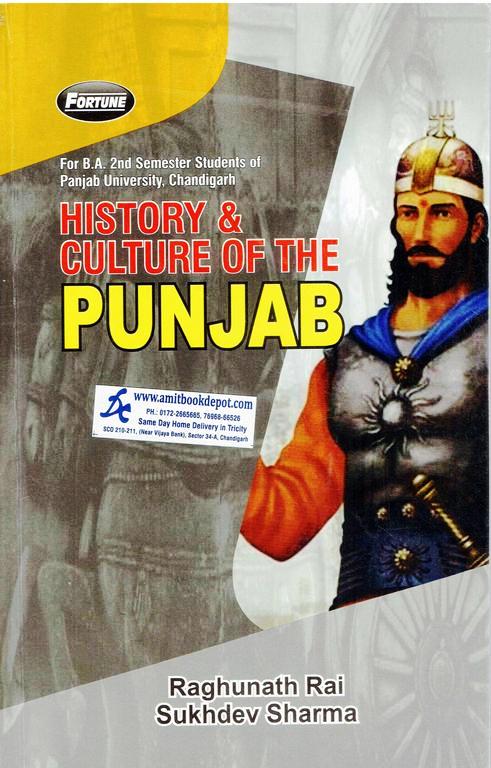
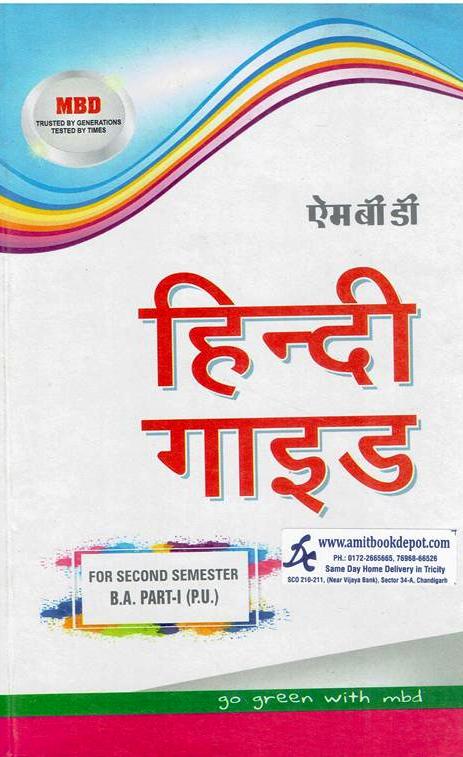
The book is fully compliant with NEP guidelines, emphasizing interdisciplinary learning, skill development, and practical insights, making it suitable for modern undergraduate curricula.
Yes, it incorporates various case studies and examples specific to Indian hazards and disasters, facilitating contextual understanding.
Yes, the chapter on the Sendai Framework provides insights into global disaster risk reduction initiatives and their relevance to India.
Absolutely. It covers India’s disaster management policies, institutional arrangements, and the role of government and NGOs, providing a comprehensive policy perspective.
Yes, the content is presented in clear, student-friendly language, ensuring concepts are easily grasped without prior technical knowledge.
Yes, it discusses community-based disaster risk management (CBDRM) and emphasizes participatory strategies for local resilience.
While the book itself contains diagrams and illustrations, it also encourages the use of movies, documentaries, and visual activities as part of interactive teaching methods.
Yes, it provides theoretical foundations and practical insights enabling students to analyze and critique existing disaster management plans and policies.
Yes, a structured glossary is included to help students easily understand and revise important terminology.
Definitely. It covers all syllabus topics, aligns with examination patterns, and is designed to be a reliable primary textbook for semester assessments.
No Description Added
The book is fully compliant with NEP guidelines, emphasizing interdisciplinary learning, skill development, and practical insights, making it suitable for modern undergraduate curricula.
Yes, it incorporates various case studies and examples specific to Indian hazards and disasters, facilitating contextual understanding.
Yes, the chapter on the Sendai Framework provides insights into global disaster risk reduction initiatives and their relevance to India.
Absolutely. It covers India’s disaster management policies, institutional arrangements, and the role of government and NGOs, providing a comprehensive policy perspective.
Yes, the content is presented in clear, student-friendly language, ensuring concepts are easily grasped without prior technical knowledge.
Yes, it discusses community-based disaster risk management (CBDRM) and emphasizes participatory strategies for local resilience.
While the book itself contains diagrams and illustrations, it also encourages the use of movies, documentaries, and visual activities as part of interactive teaching methods.
Yes, it provides theoretical foundations and practical insights enabling students to analyze and critique existing disaster management plans and policies.
Yes, a structured glossary is included to help students easily understand and revise important terminology.
Definitely. It covers all syllabus topics, aligns with examination patterns, and is designed to be a reliable primary textbook for semester assessments.